20/20


20
YEARS
20
PHOTOS


20/20
20
YEARS
20
PHOTOS
For 20 years, the Pulitzer Center has supported journalism that goes beyond the headlines to reveal what might otherwise remain unseen. The hundreds of photographers we’ve supported span all continents and photographic approaches. What ties their work together is their commitment to using images rooted in human experience to document the systemic forces behind the most defining issues of our time.
20/20: 20 Years, 20 Photos draws from the best of those images that still hold relevance today.

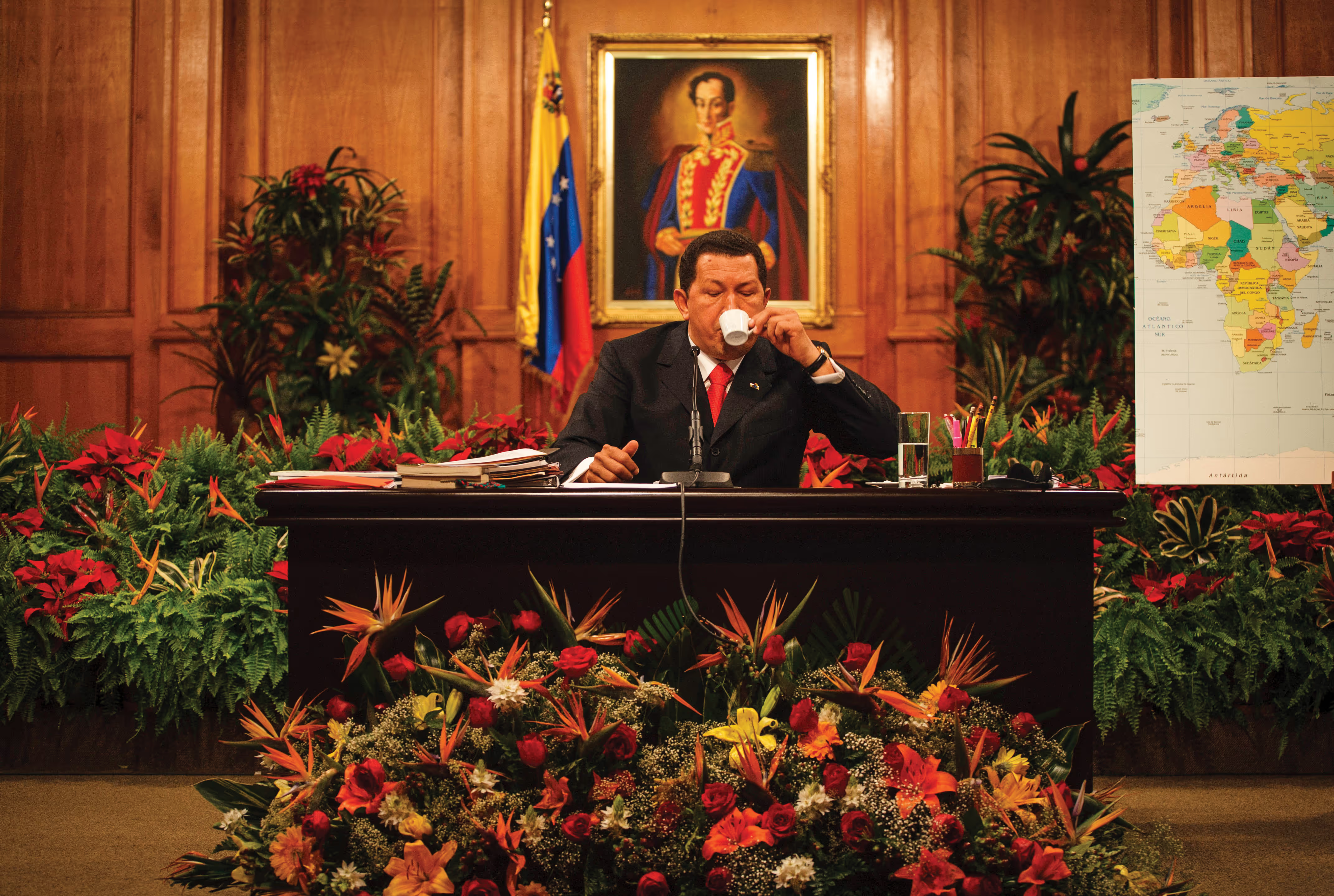
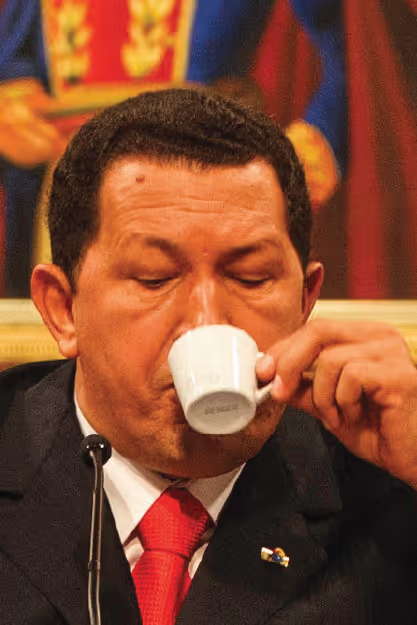
IMAGE BY Andrew Cutraro
Then-Venezuelan President Hugo Chavez sips coffee during one of his signature hours-long news conferences at the Miraflores Presidential Palace in Caracas on November 8, 2006. At the time, the populist leader was campaigning for re-election. Chavez's image, along with his message of revolution and reform, were everywhere.

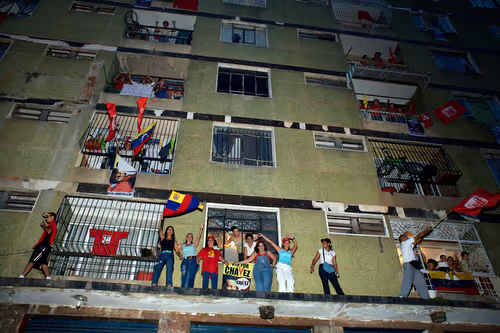
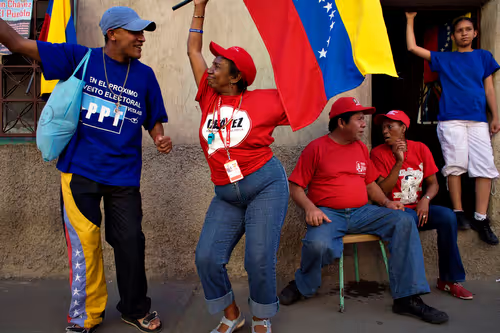
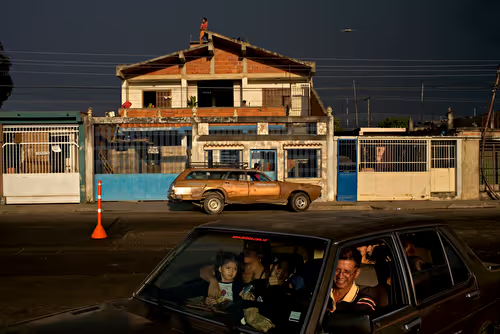

PROJECT BY ANDREW CUTRARO AND GUY TAYLOR

IMAGE BY Andre Lambertson
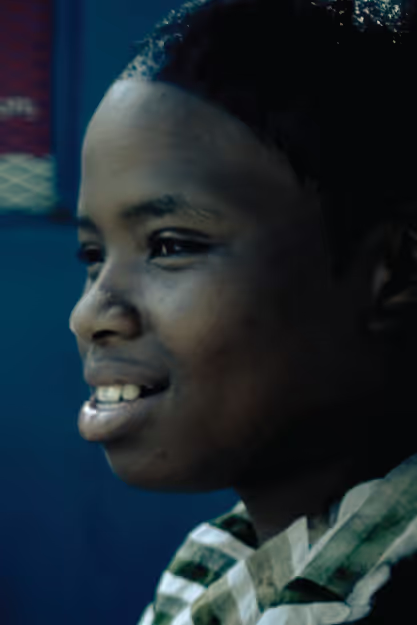
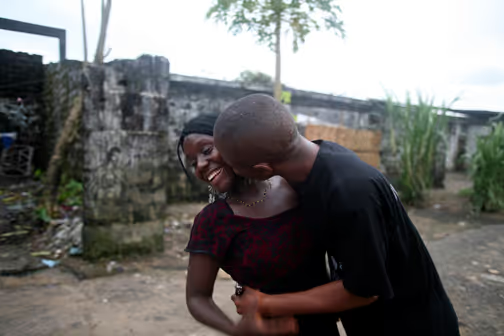
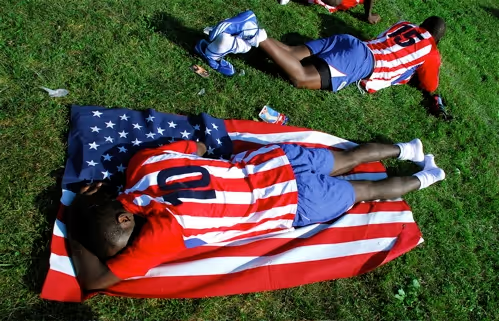
Boys play at Savio Village in Monrovia, Liberia, a transit home for boys who were separated from their families during the 14-year civil war. Rehabilitation programs not only provided skills training, but also family reunification. Most of the boys only stayed in the center a few weeks, but some were there for years, waiting for their families to be found.

PROJECT BY ANDRE LAMBERTSON,
RUTHIE ACKERMAN, AND NAJE LATAILLADE
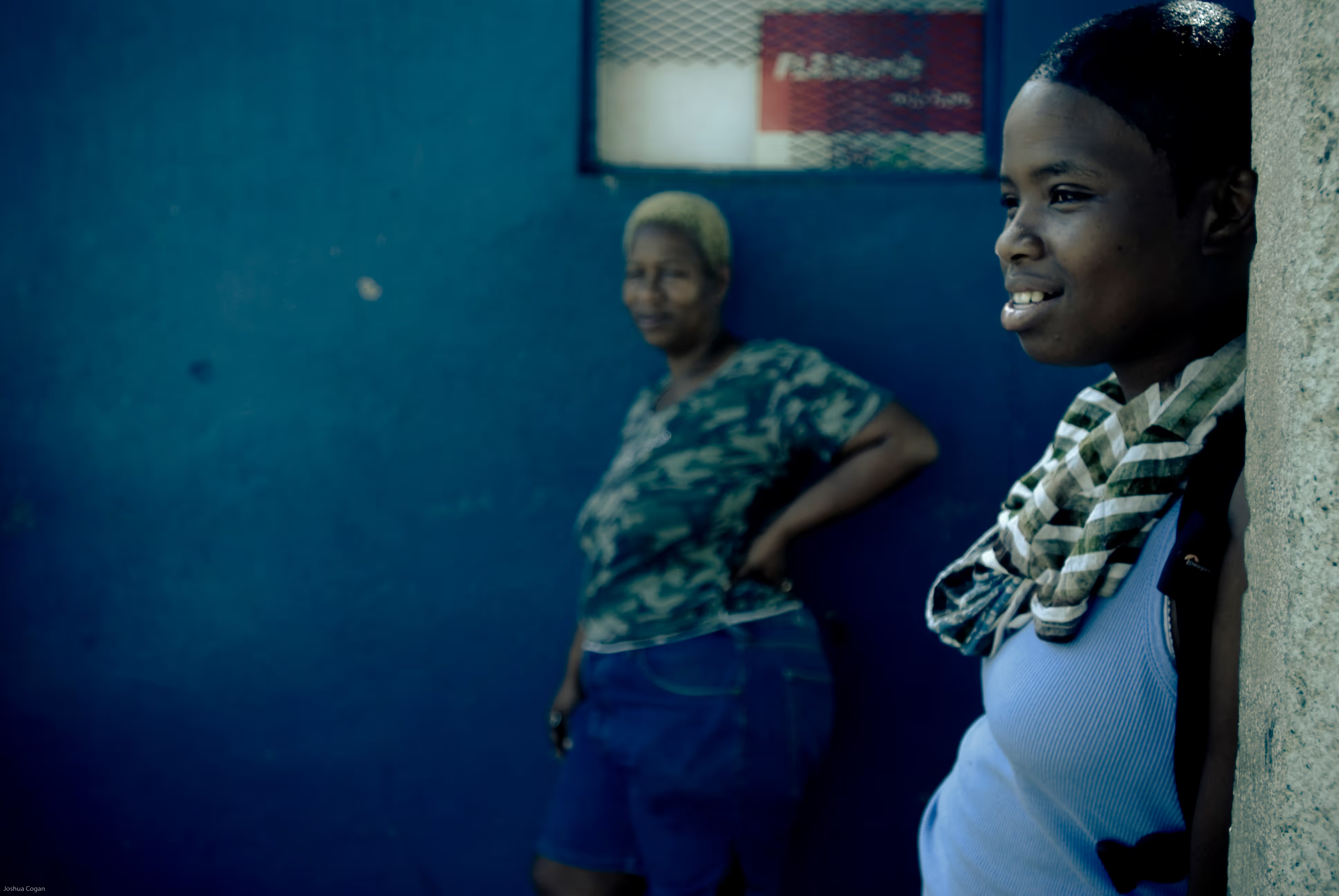
IMAGE BY Joshua Cogan
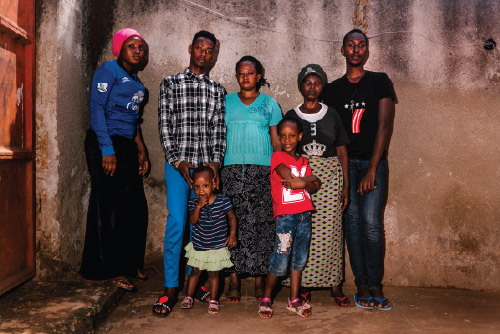
Annesha Taylor was formerly the poster child for the Jamaican government's campaign against HIV/AIDS. Going public about her illness and working to reduce stigma was risky in a society where people who are HIV-positive are often ostracized and sometimes attacked. She lost her job when she became pregnant, and died from complications associated with HIV/AIDS in 2015. Here, she stands in front of her home as her mother looks on.

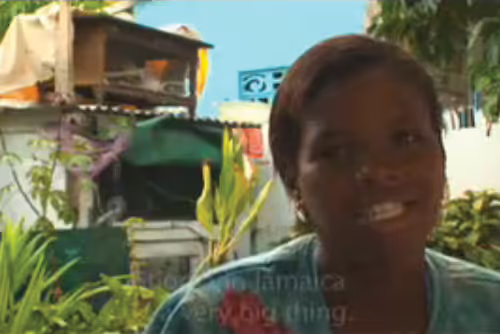
PROJECT BY KWAME DAWES, STEVE SAPIENZA, AND JOSHUA COGAN
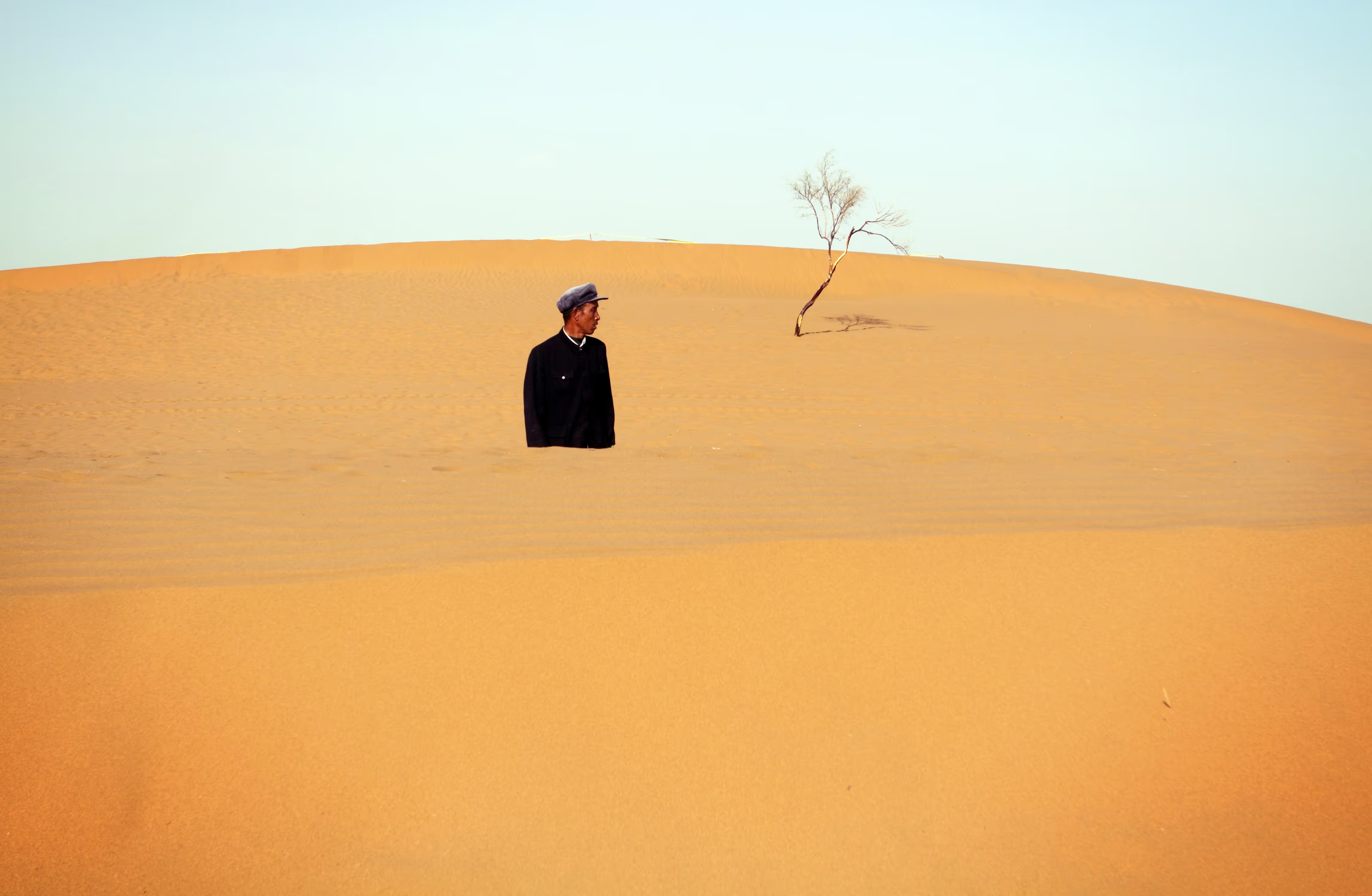
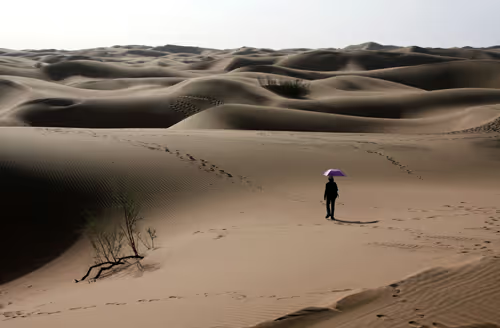
IMAGE BY Sean Gallagher
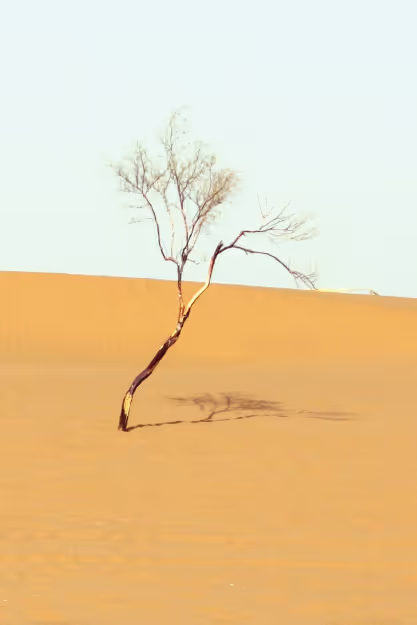
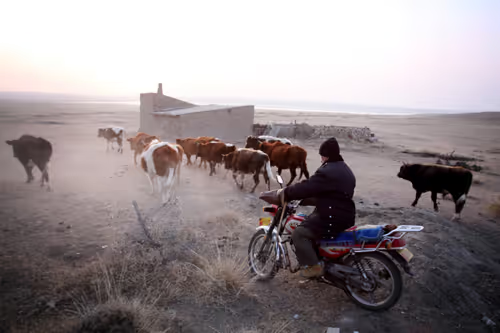
A farmer walks through sand dunes in the Tengger desert in Ningxia Province, western China, which has been hit by desertification. Desertification has become arguably China's most important environmental challenge. Farmers are forced to abandon their land, levels of rural poverty rise, and the intensity of sandstorms continue to intensify.
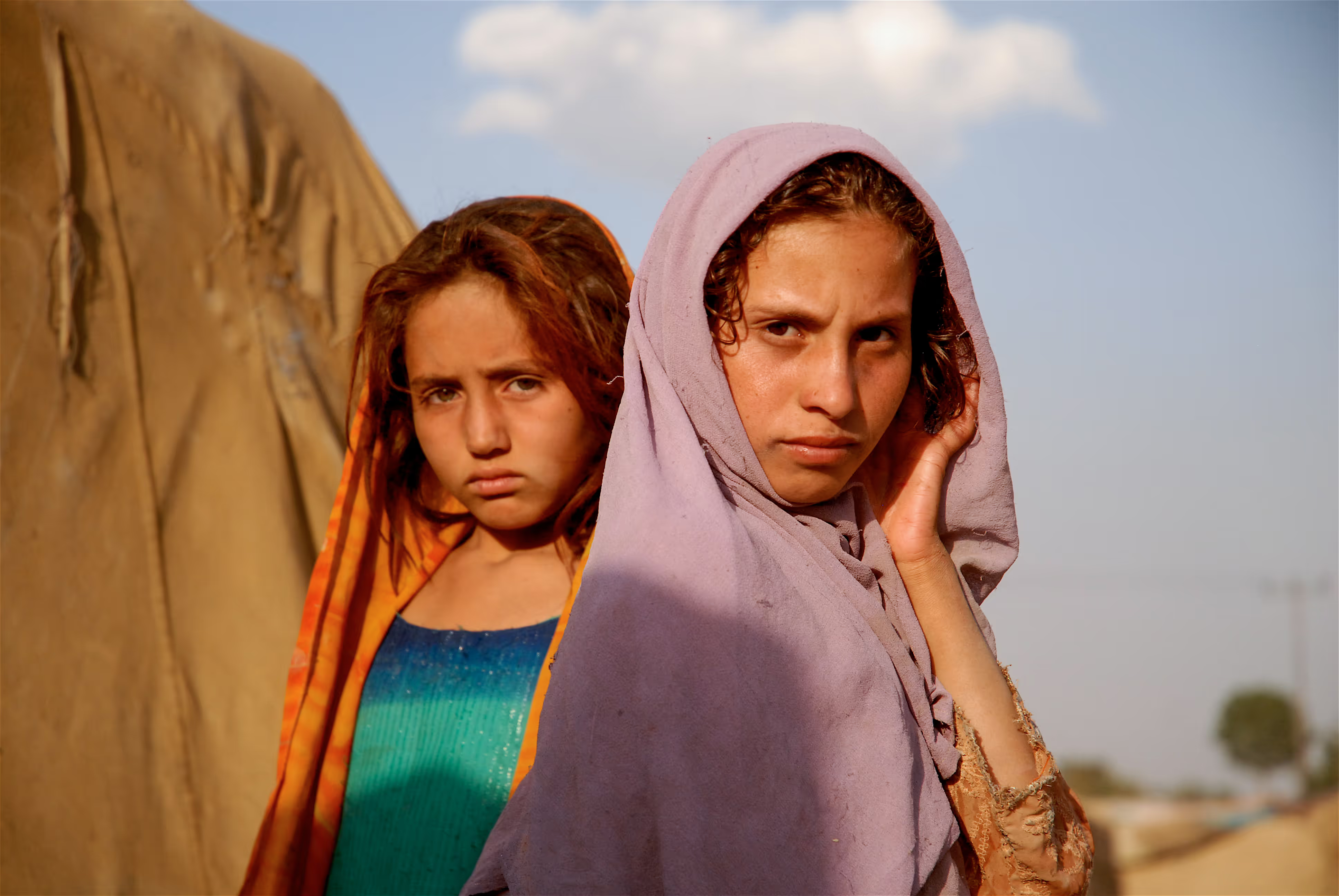
IMAGE BY Jason Motlagh
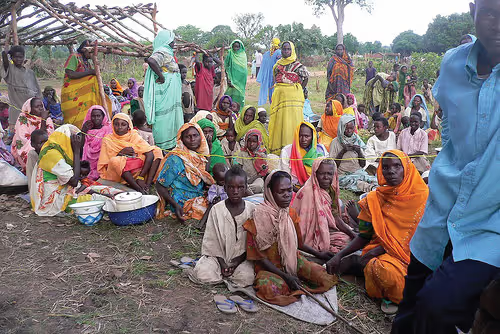
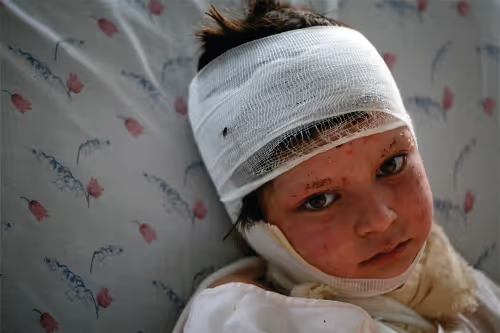
Girls from Helmand province, Afghanistan, who were uprooted by a U.S.-led offensive against Taliban insurgents queue for water at a makeshift camp on the outskirts of Kabul. At the peak of the two-decade-long conflict, more than 6.5 million Afghans were internally displaced or had fled the country.

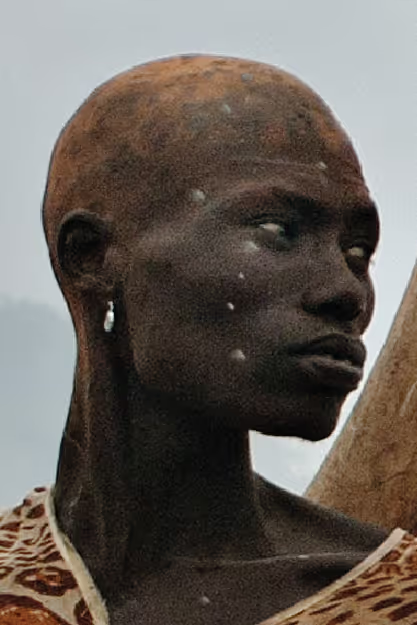
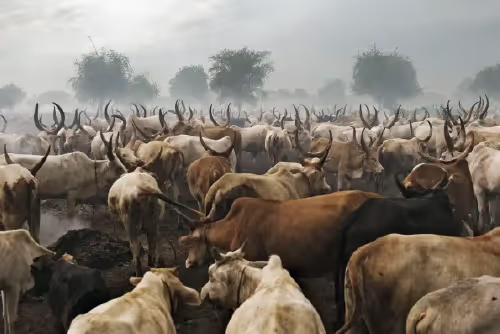
IMAGE BY Cedric Gerbehaye
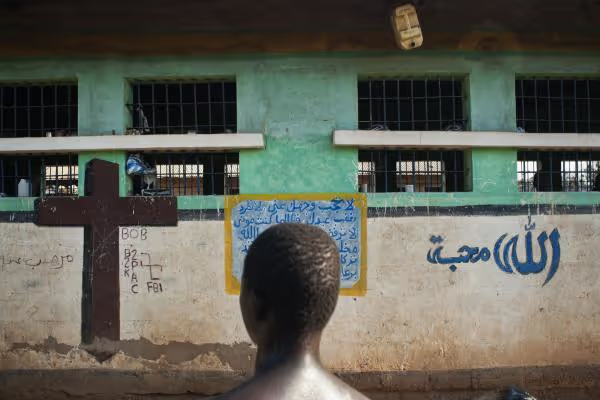
The cattle camp of Bir-Diak of the Pakam clan of the Dinka tribe in Lakes State. The year 2011 marked a historic referendum and the secession of the Republic of South Sudan, but peace in the fragile state remained elusive. Cattle keepers refused to surrender their weapons because they needed to defend themselves against cattle raids.

IMAGE BY Allison Shelley
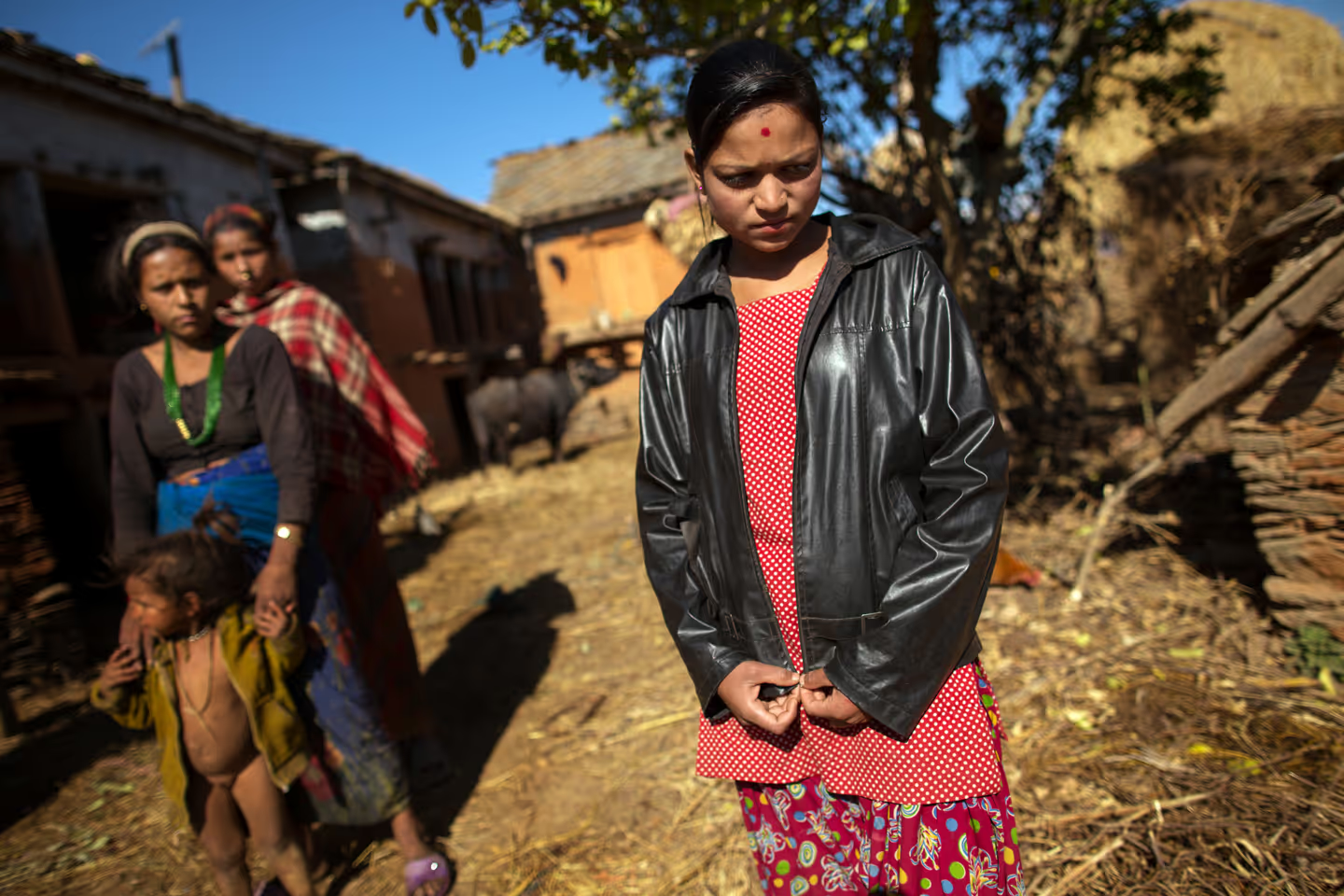
Tulachi, 15; Jandhara, 15; and Amana, 14, are shown at their extended family's chaupadi shelter in Rima village, Achham in 2012. In Nepal's far western Himalayas, women and girls who follow the practice of “chaupadi” may spend days isolated in sheds while they are menstruating and sometimes following childbirth. This set of cousins share the space with the household's herd of goats.

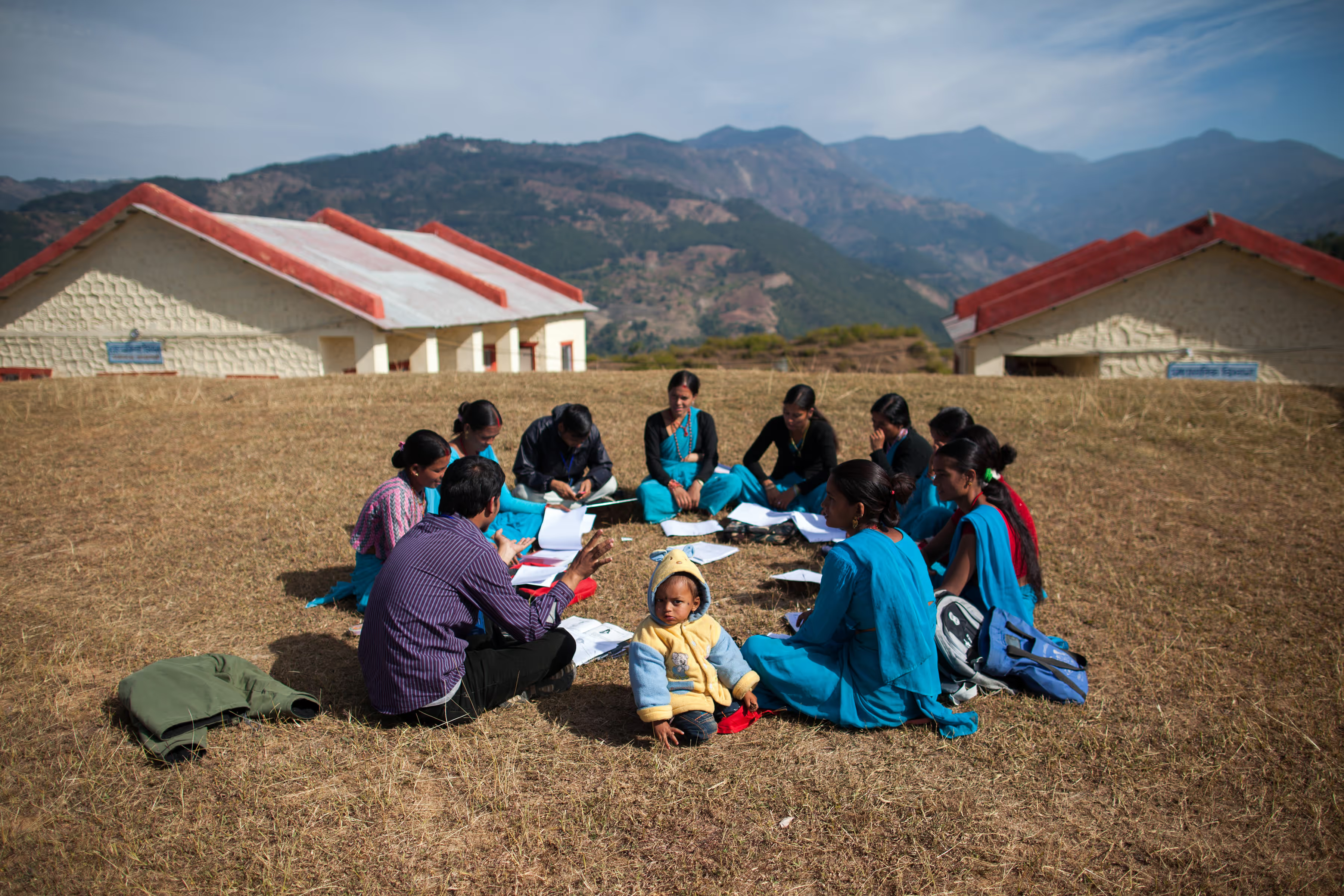
PROJECT BY ALLISON SHELLEY AND ALLYN GAESTEL
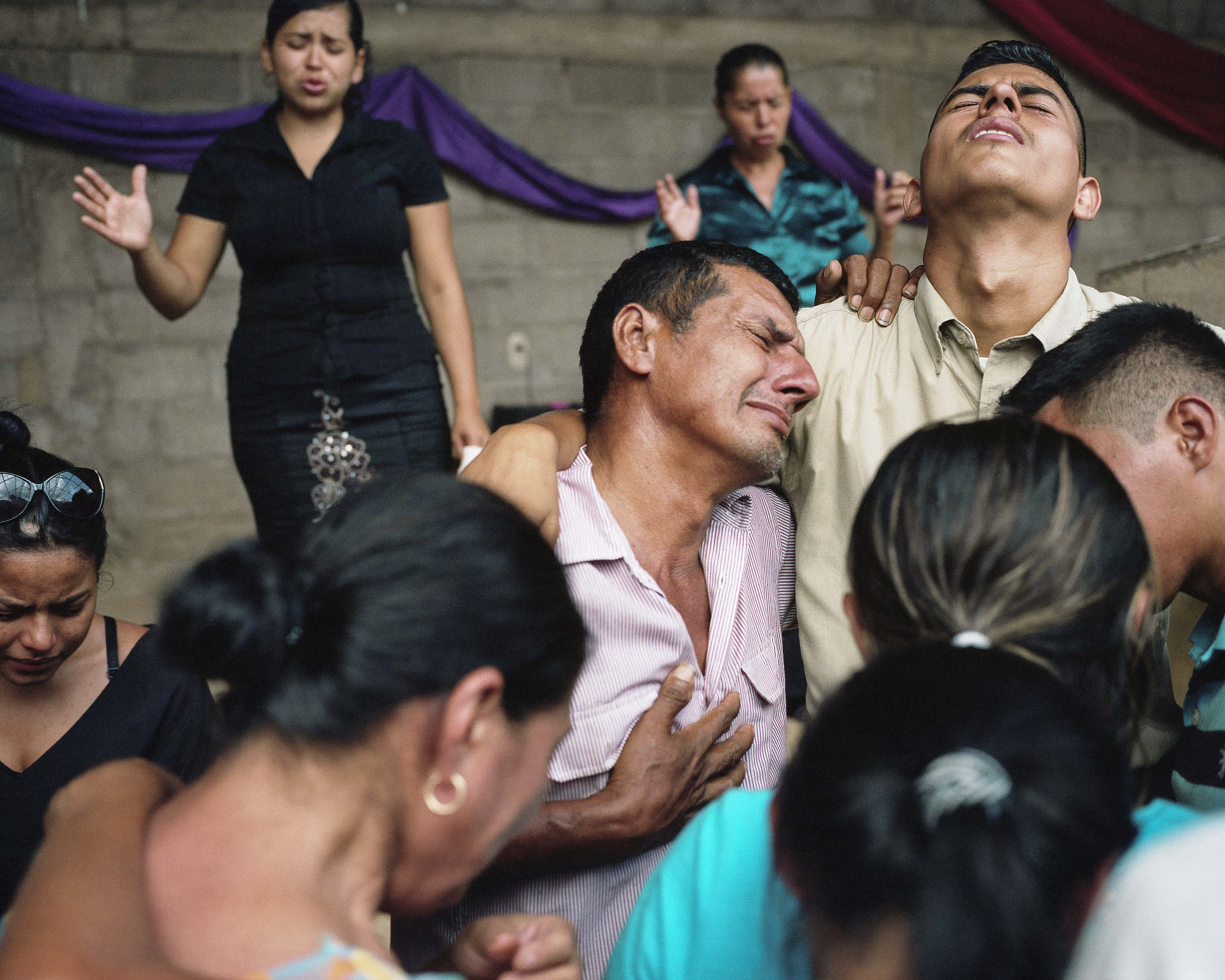
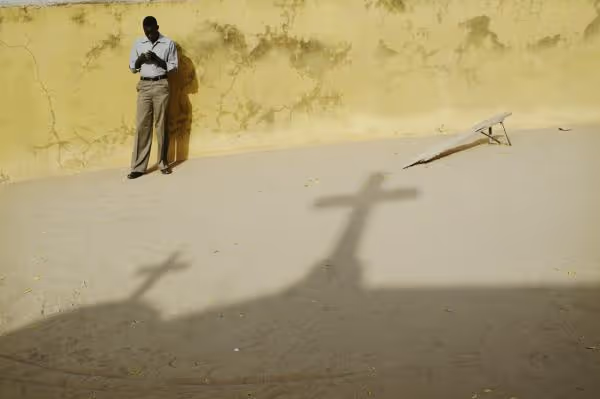
IMAGE BY Dominic Bracco II
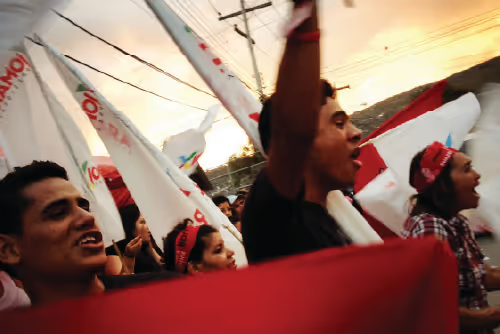
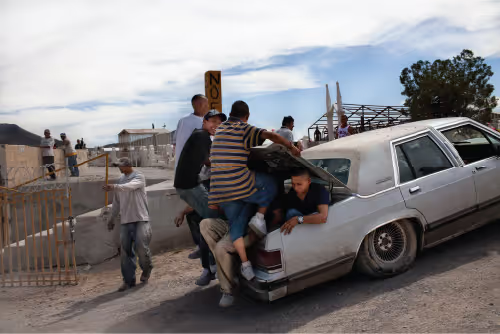
A local pastor and congregants comfort the family of Darwin Franco, an assassinated community organizer, at his funeral in Correderos, Honduras.
PROJECT BY DOMINIC BRACCO II AND JEREMY RELPH
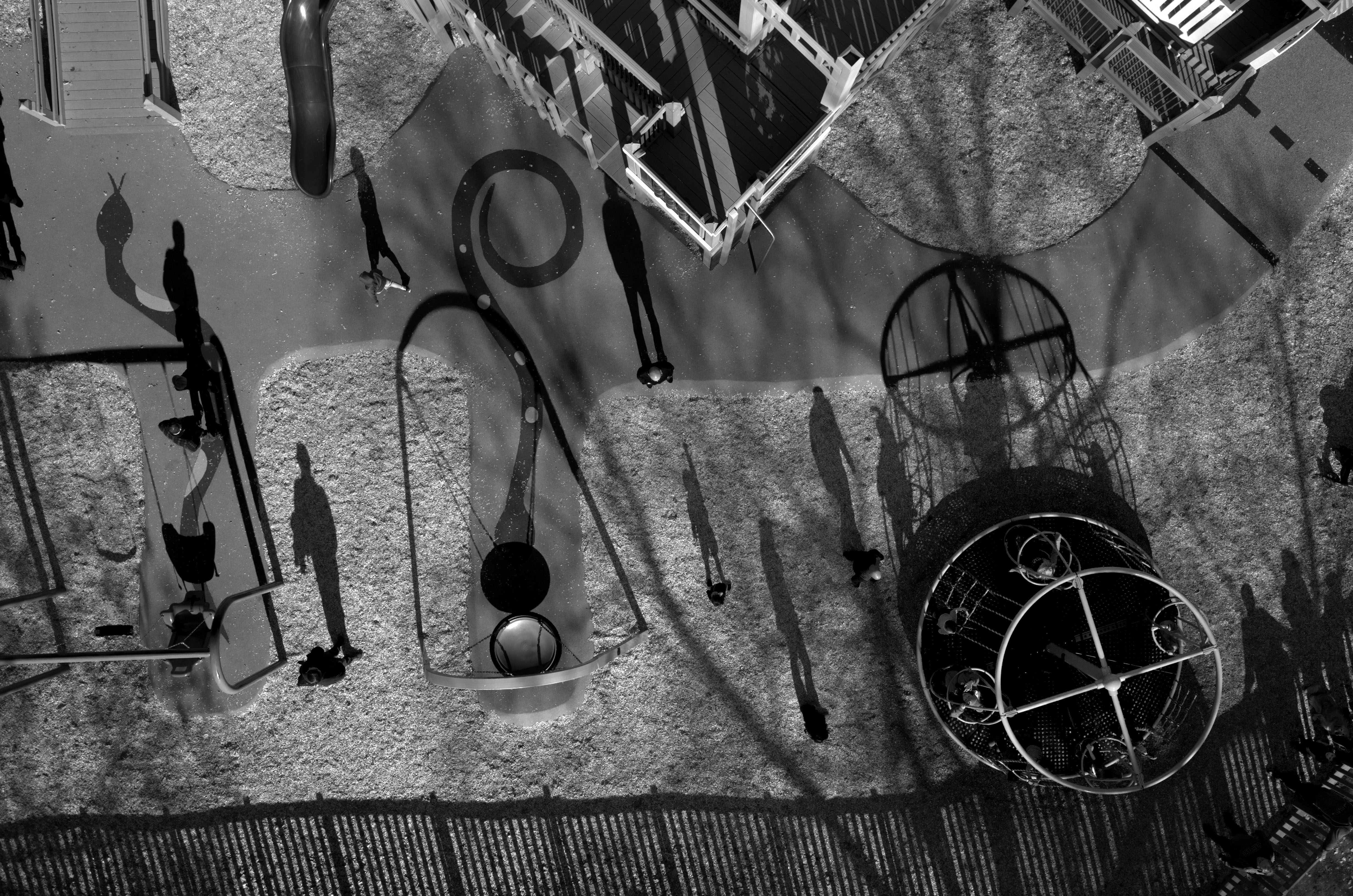
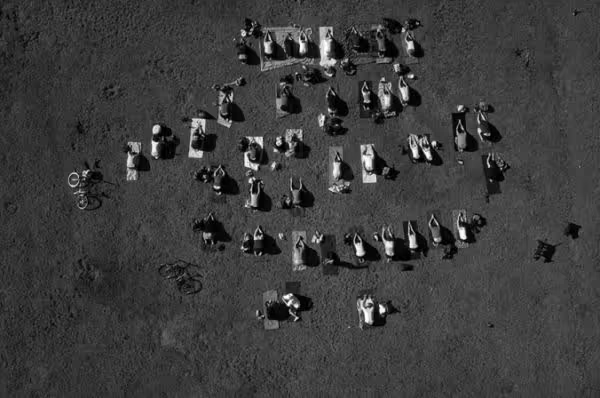
IMAGE BY Tomas van Houtryve
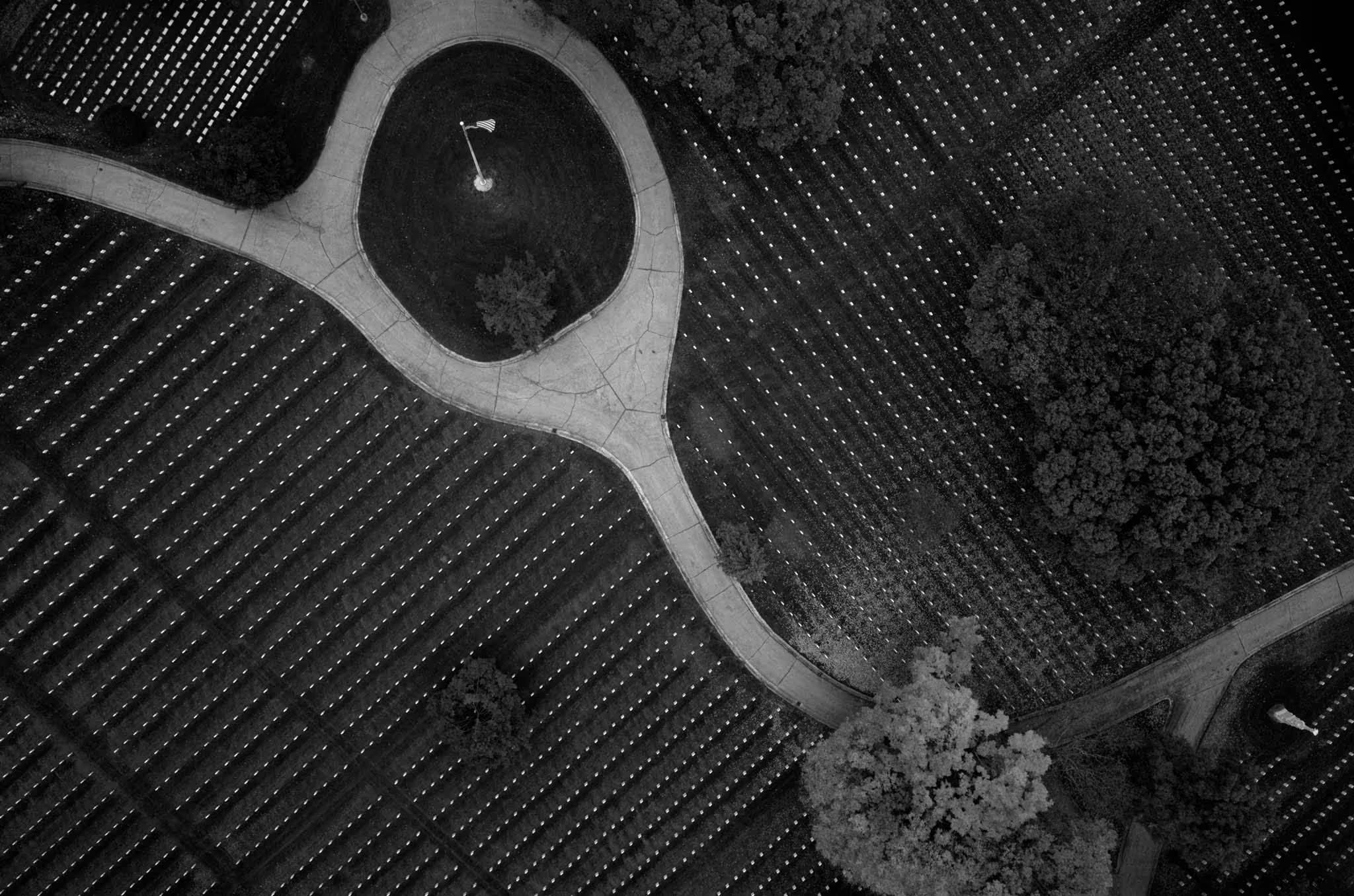
A playground seen from above in Sacramento County, California. Since the early 2000s, drones have become the weapon of the United States military and the CIA for strikes overseas. Over 200 children were estimated to have been killed in drone strikes in Pakistan, Yemen, and Somalia between 2004 and 2013. That number has only increased since then. This photo is from the Blue Sky Days series about the rise of drone warfare and surveillance.
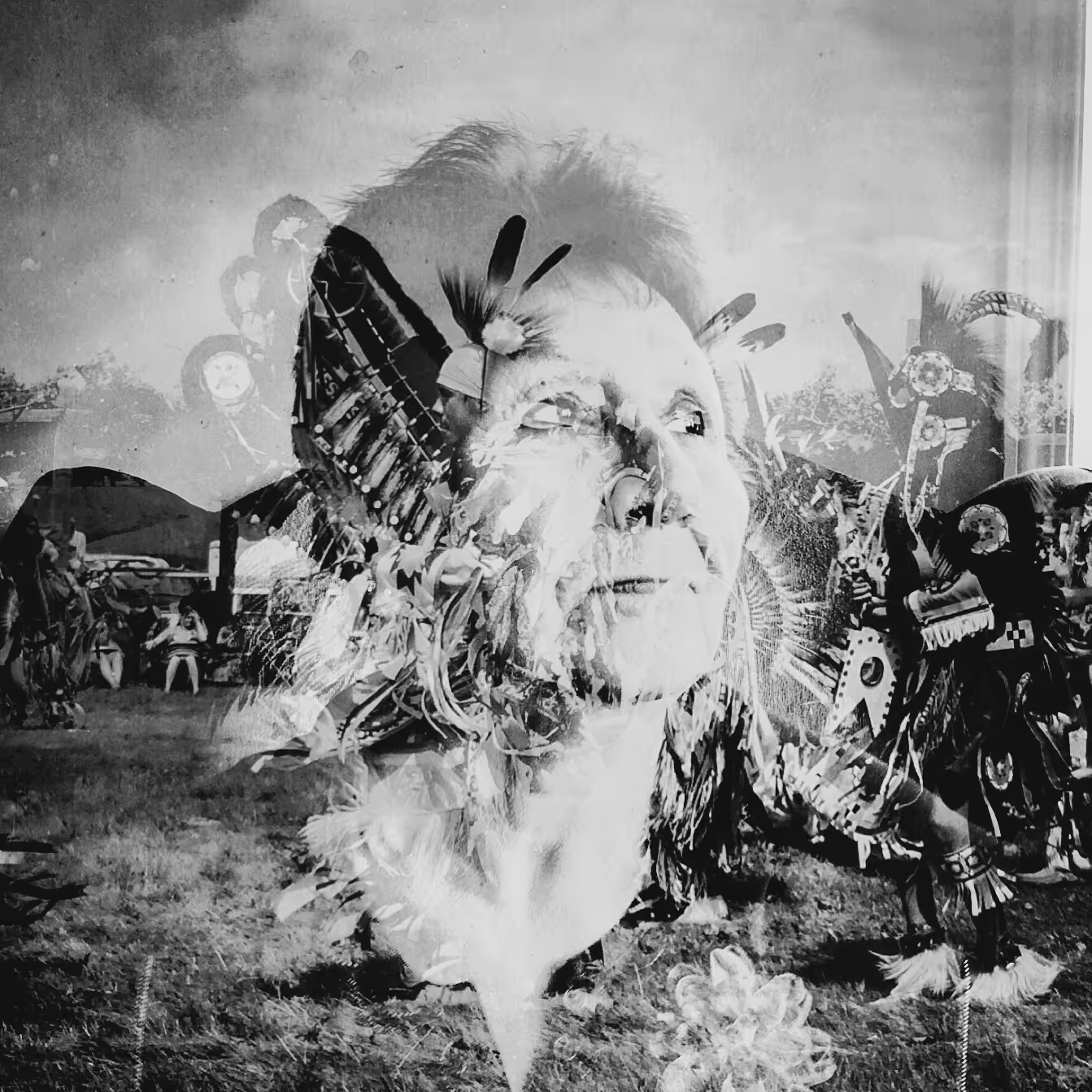
IMAGE BY Daniella Zalcman
Rosalie Sewap was taken to Guy Hill Indian Residential School in Clearwater Lake, Manitoba, Canada, from 1959 to 1969. “We had to pray every day and ask for forgiveness. But forgiveness for what?” Sewap asked. “When I was 7 I started being abused by a priest and a nun. They’d come around after dark with a flashlight and would take away one of the little girls almost every night. You never really heal from that.”
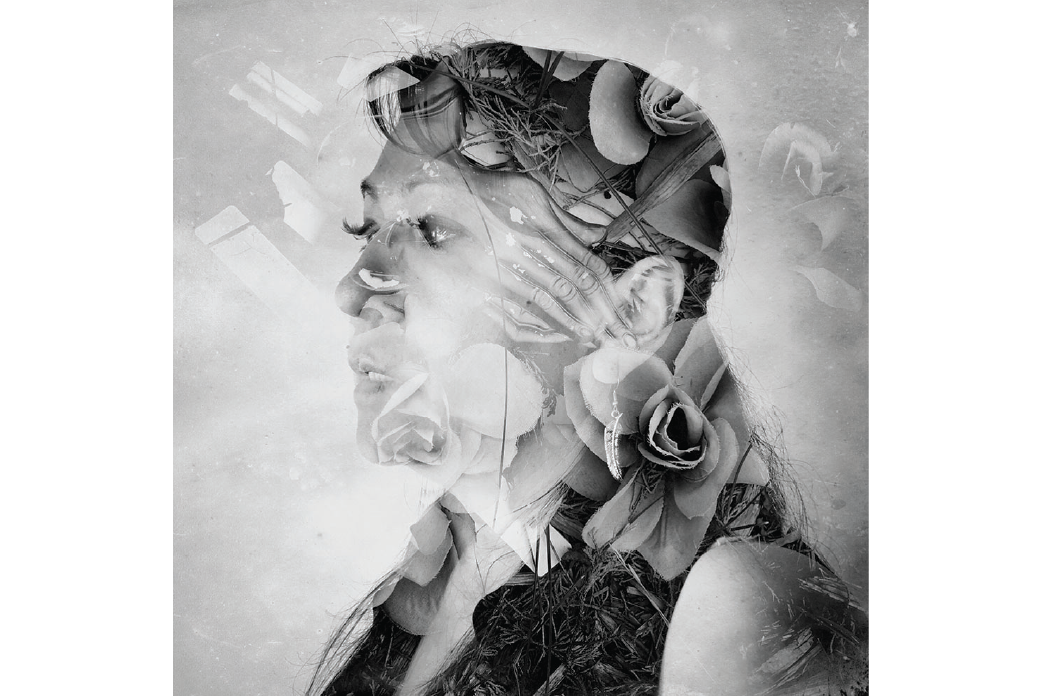
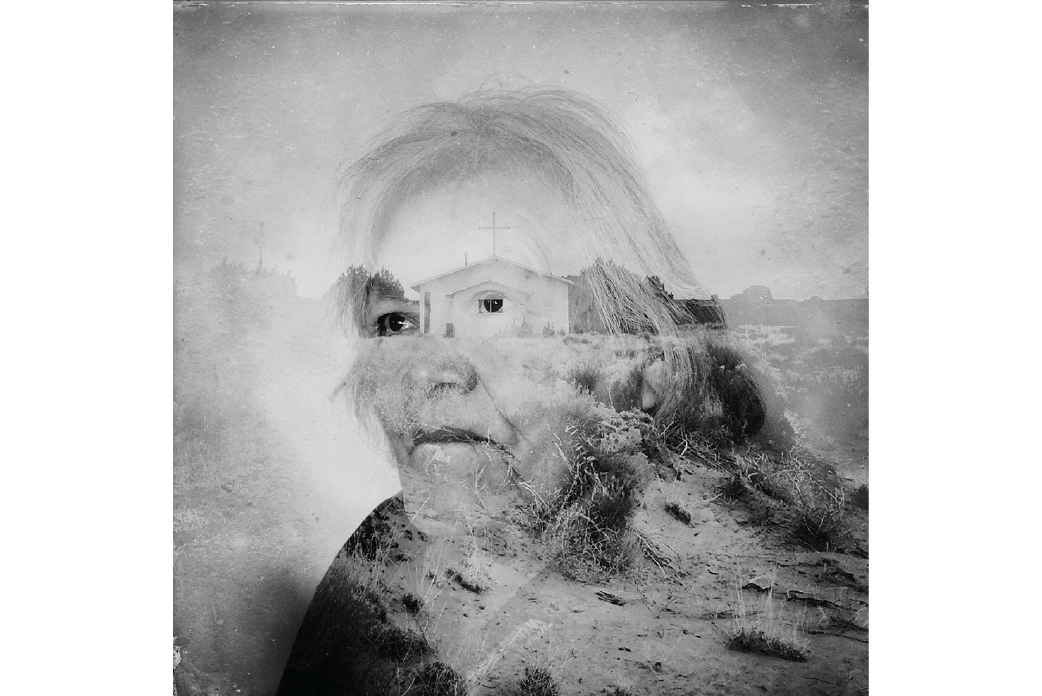
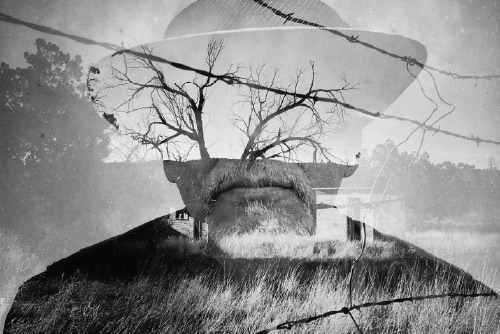
PROJECT BY Daniella Zalcman
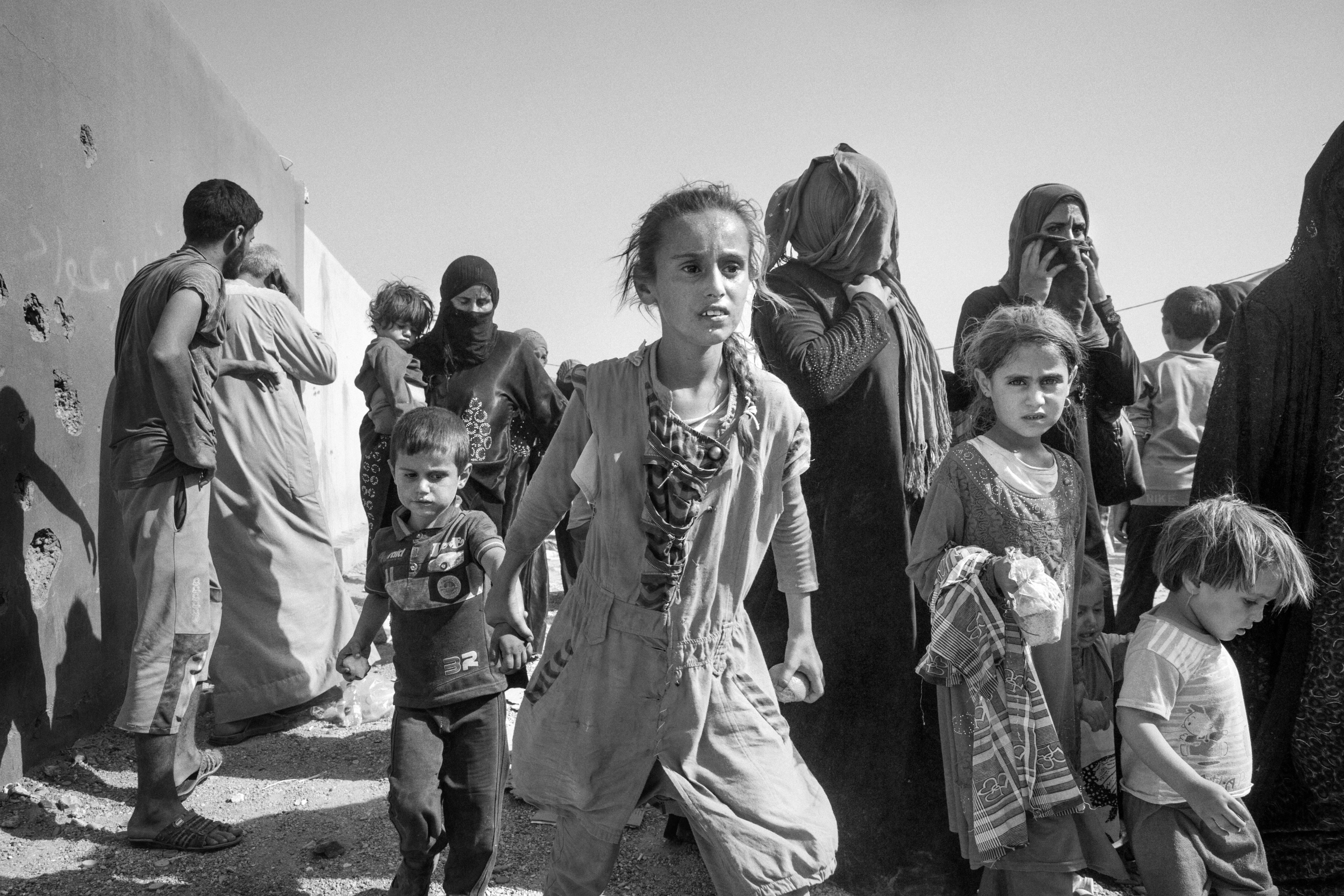
IMAGE BY Paolo Pellegrin
Refugees displaced by conflict in Hajjaj, Iraq, amid the fight against ISIS. The U.S. invasion, the revolutions of the Arab Spring, and the rise of the Islamic State fueled years of conflict that created mass displacement and a regional refugee crisis. Since then, Iraq has formally defeated ISIS, but instability has continued.
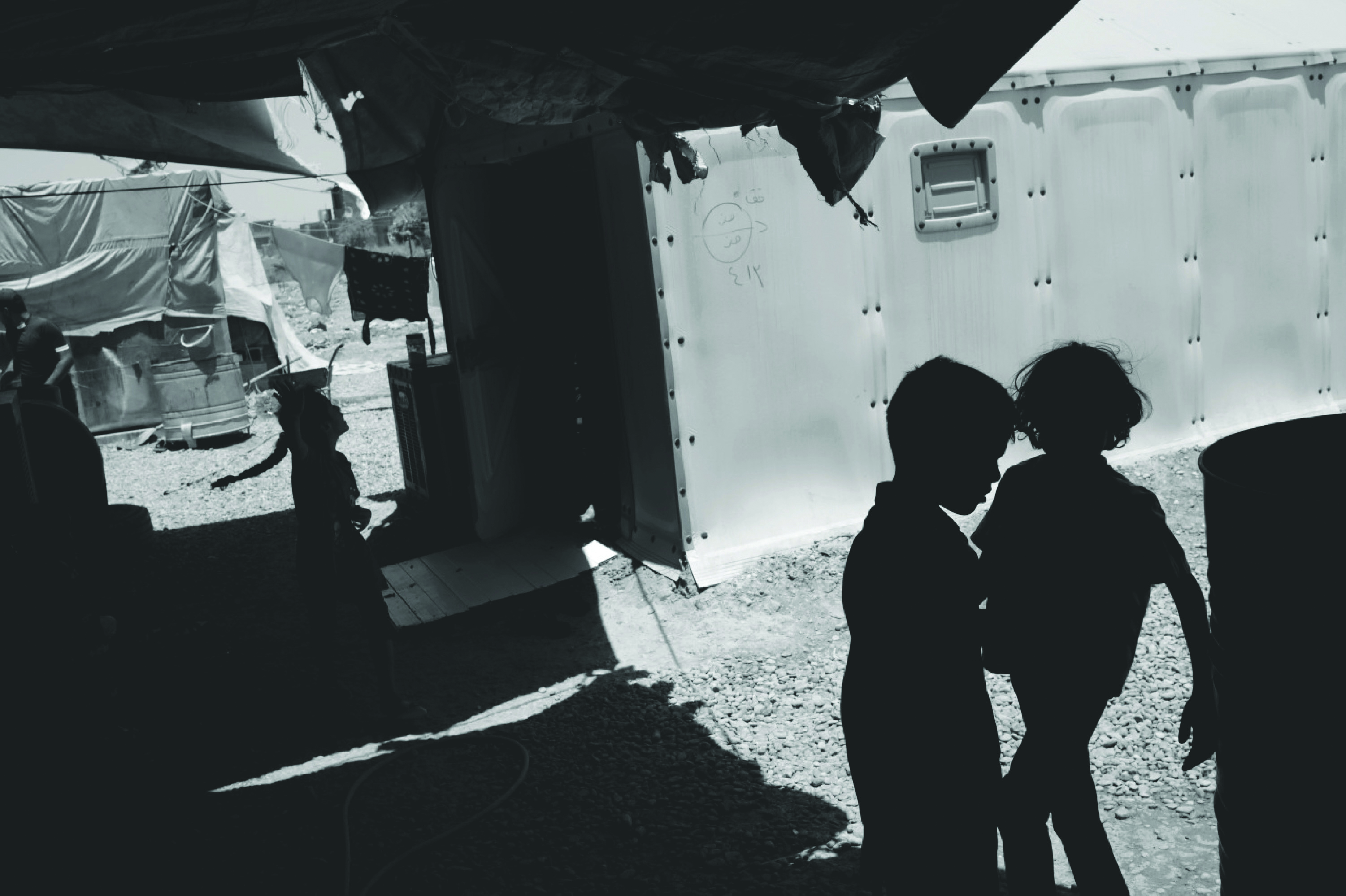
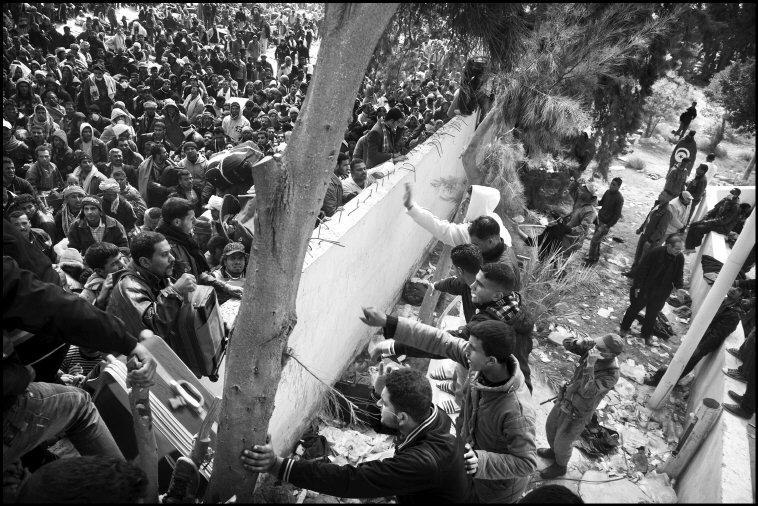
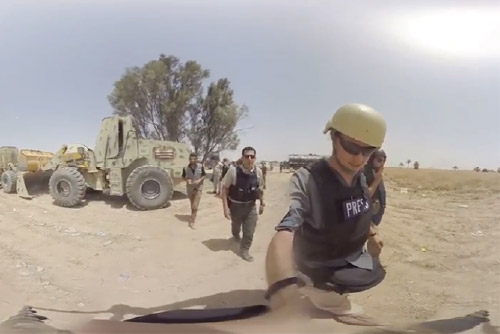
PROJECT BY SCOTT ANDERSON, BEN SOLOMON, AND PAOLO PELLEGRIN
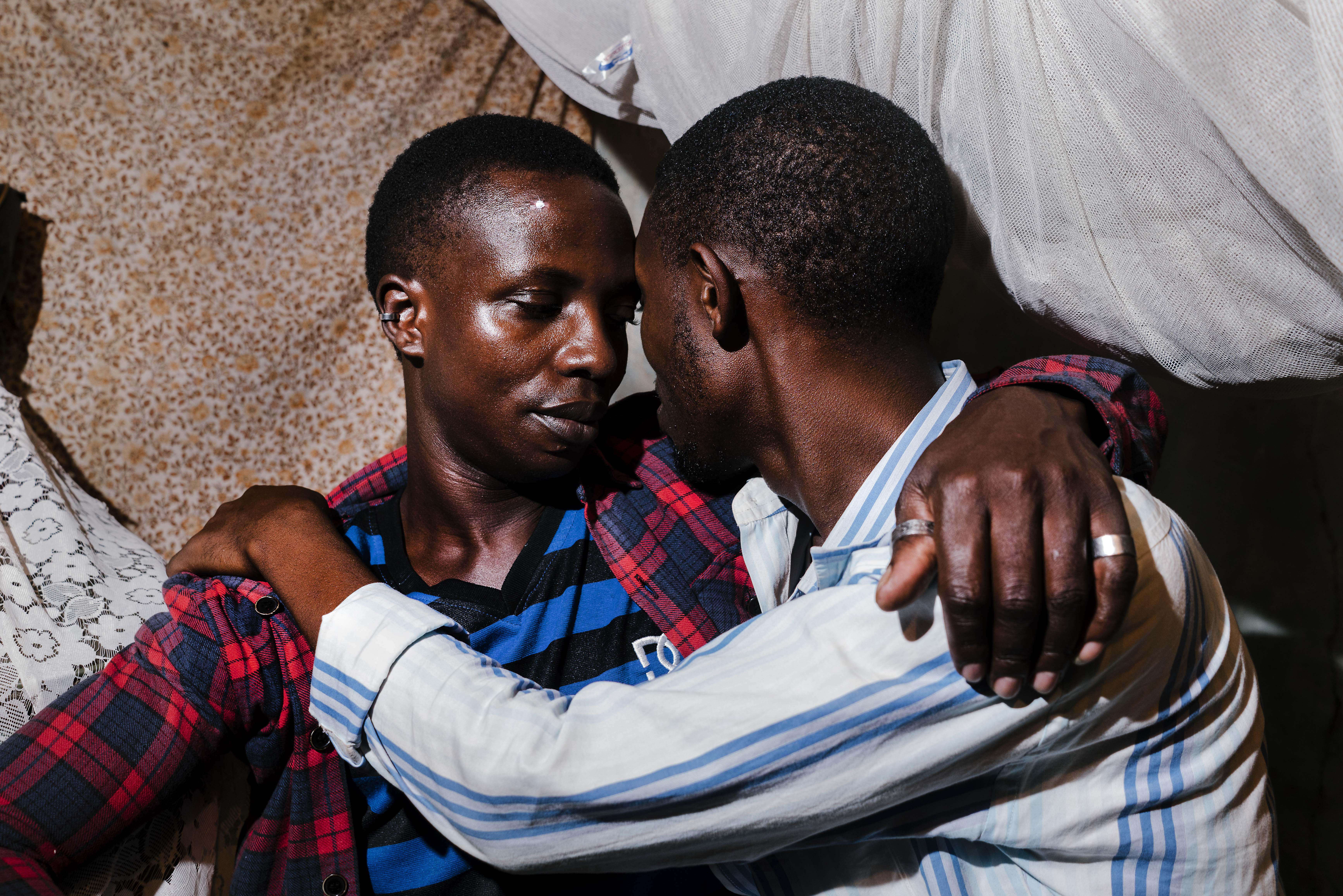
IMAGE BY Jake Naughton
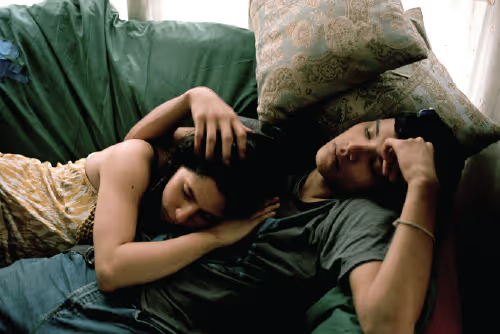
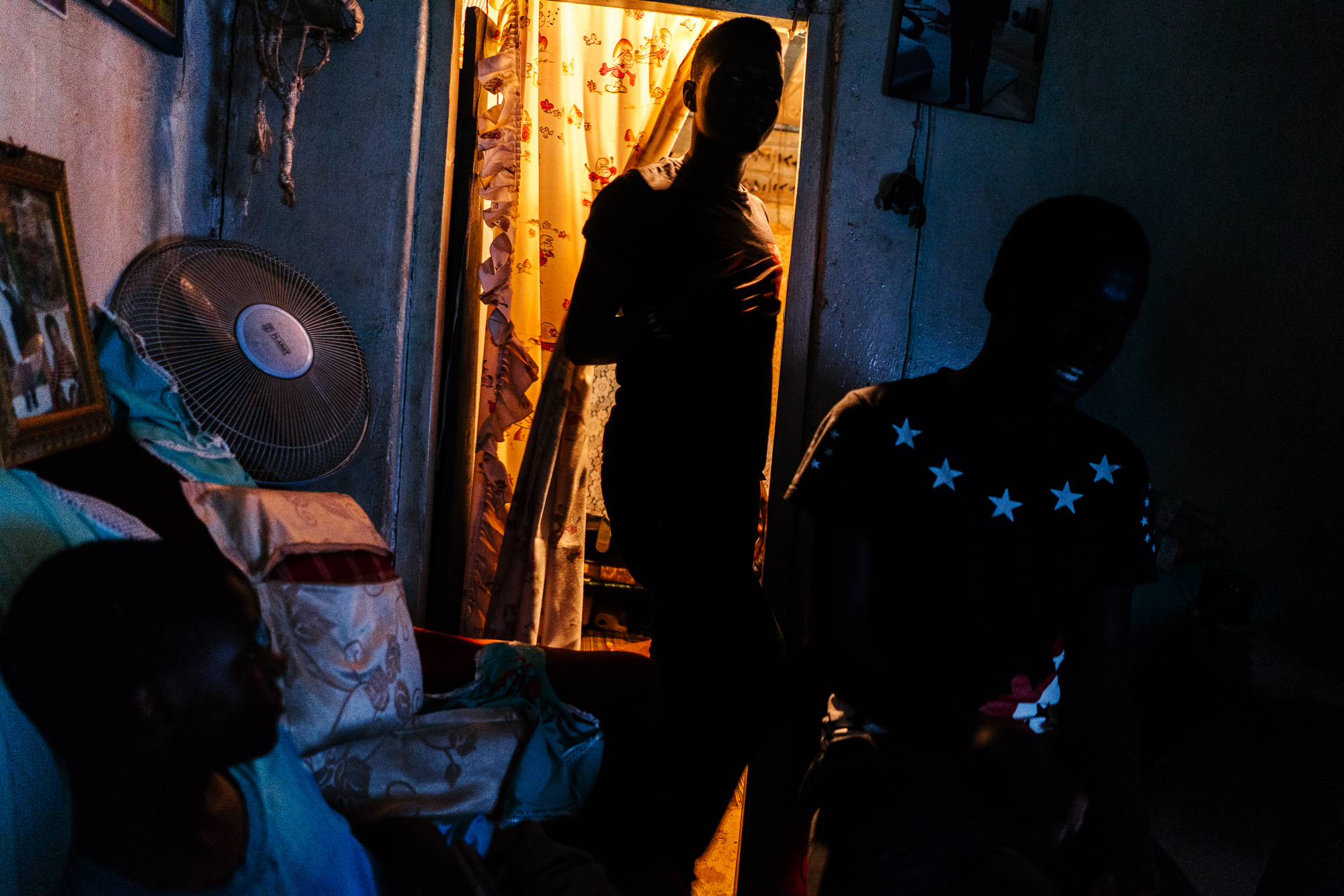
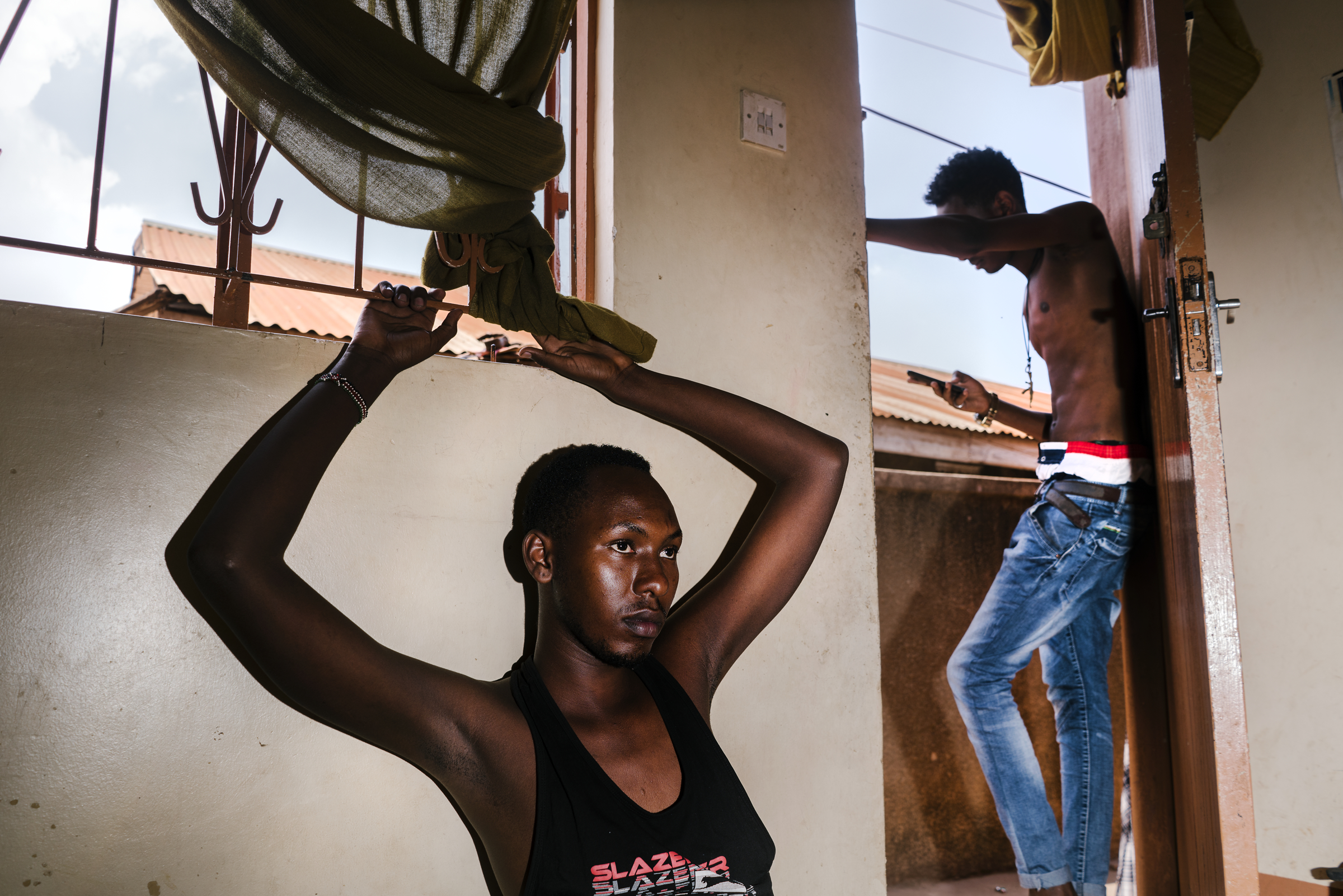
Sweet Love (left), a transgender woman, poses for a portrait with her partner, Kenneth, in the bedroom of a small apartment in Kampala, Uganda. Rented by the grassroots organization Children of the Sun, the space serves as a safehouse for young queer Ugandans forced to flee their homes due to threats, extortion, or violence. For LGBTQ Ugandans, the infamous “Kill The Gays” bill brought both unexpected benefits—foreign funding and support—and a violent backlash from the general public.
PROJECT BY Jake Naughton

IMAGE BY Xyza Cruz Bacani
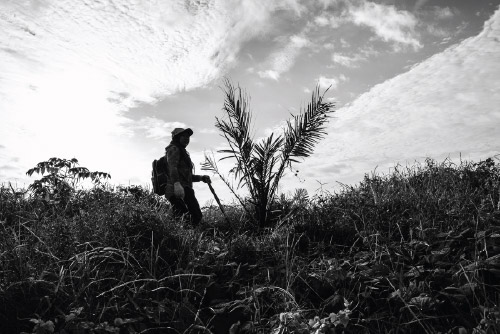
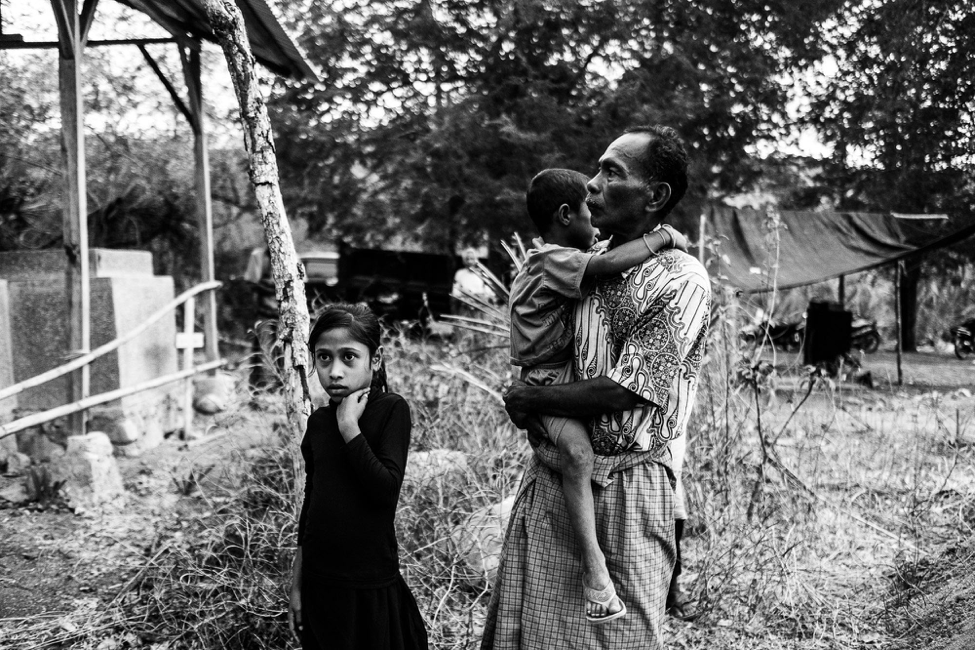
Supraetun (left) and Asnia on a palm oil plantation in Kandis, Riau, Indonesia. The Sakai Indigenous group once lived a nomadic lifestyle, but now they primarily work as contractual laborers on plantations. The workers earn very little—about US$173 per month—from this dangerous job, and their health suffers from the environmental impact of the industry.

PROJECT BY Xyza Cruz Bacani
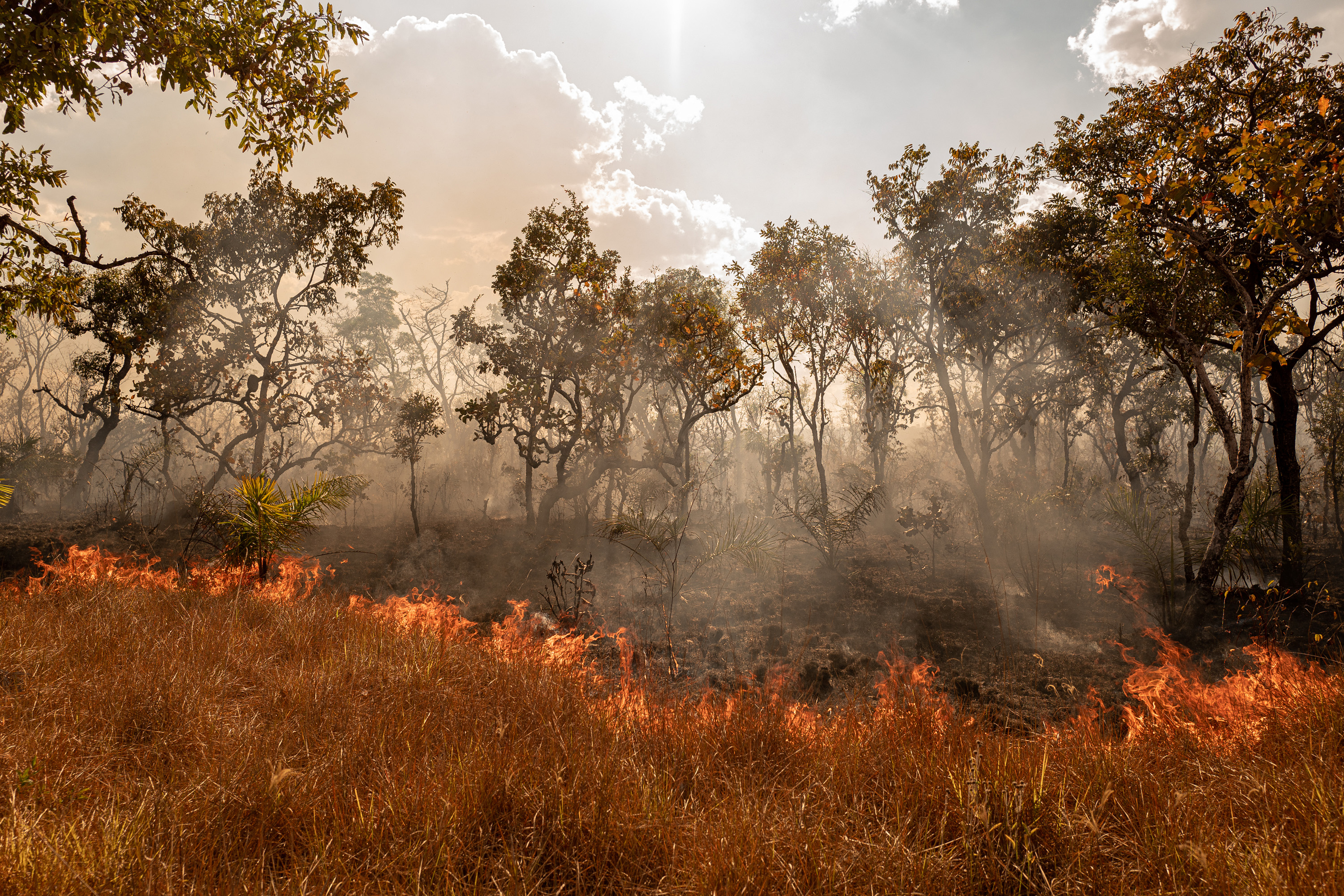
IMAGE BY Marcio Pimenta
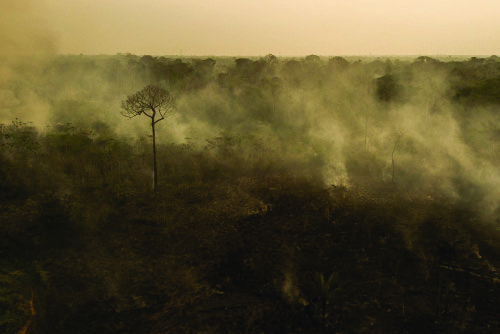
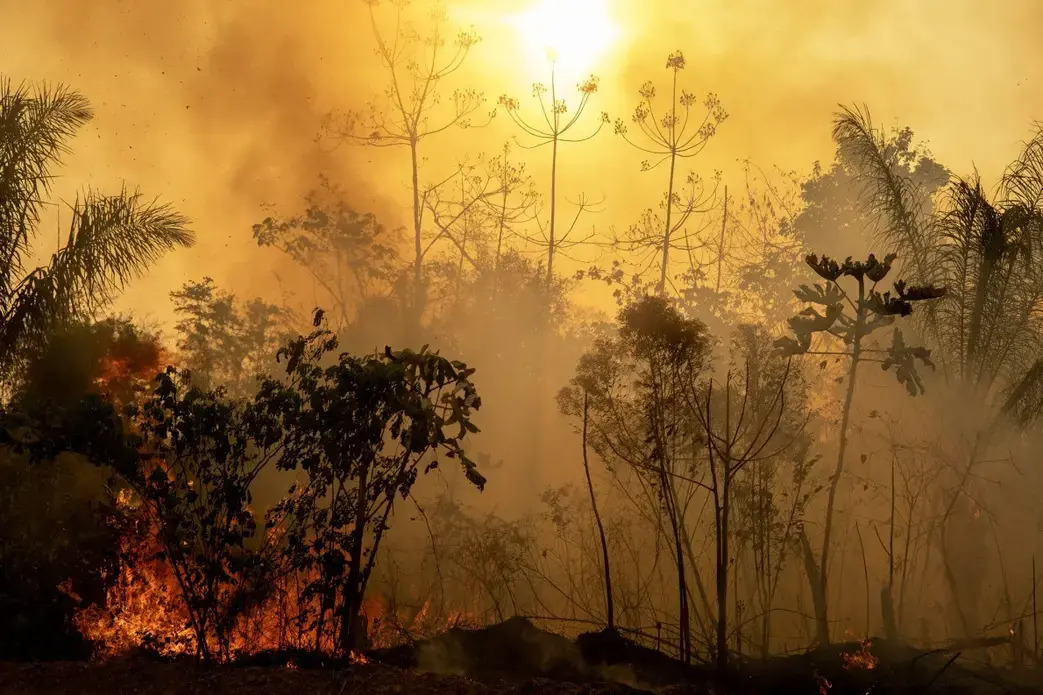
A wildfire burns in Tocantínia, Brazil. In the Cerrado region, wildfires are common for two reasons. One is extreme heat. The other is farmers clearing space for soybeans and livestock. Under former President Jair Bolsonaro, the government cut funds and international agreements aimed at reducing deforestation in the Amazon, making it harder to respond to environmental crimes.
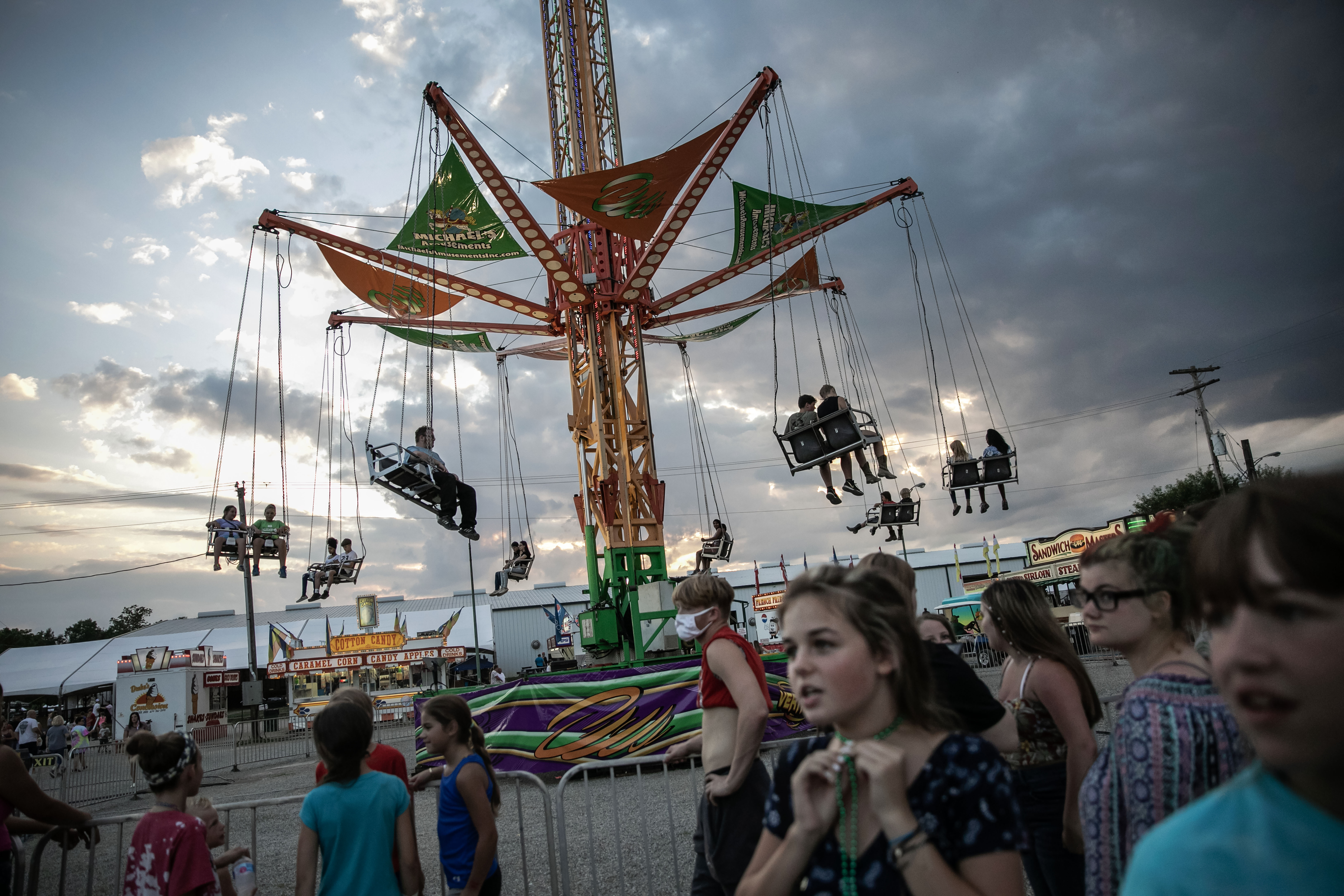
IMAGE BY Maye-E Wong
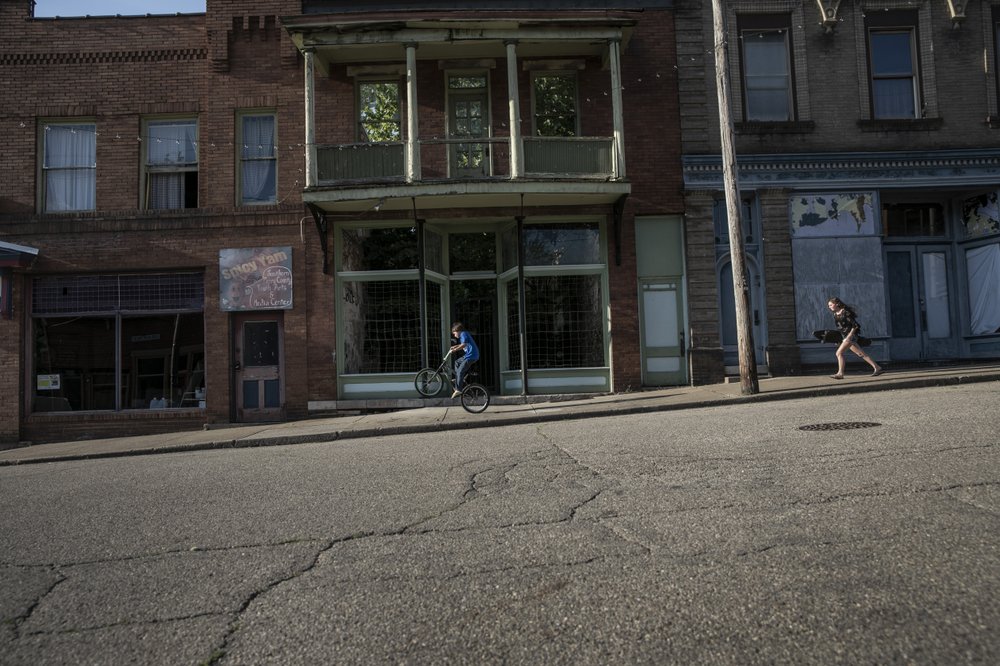
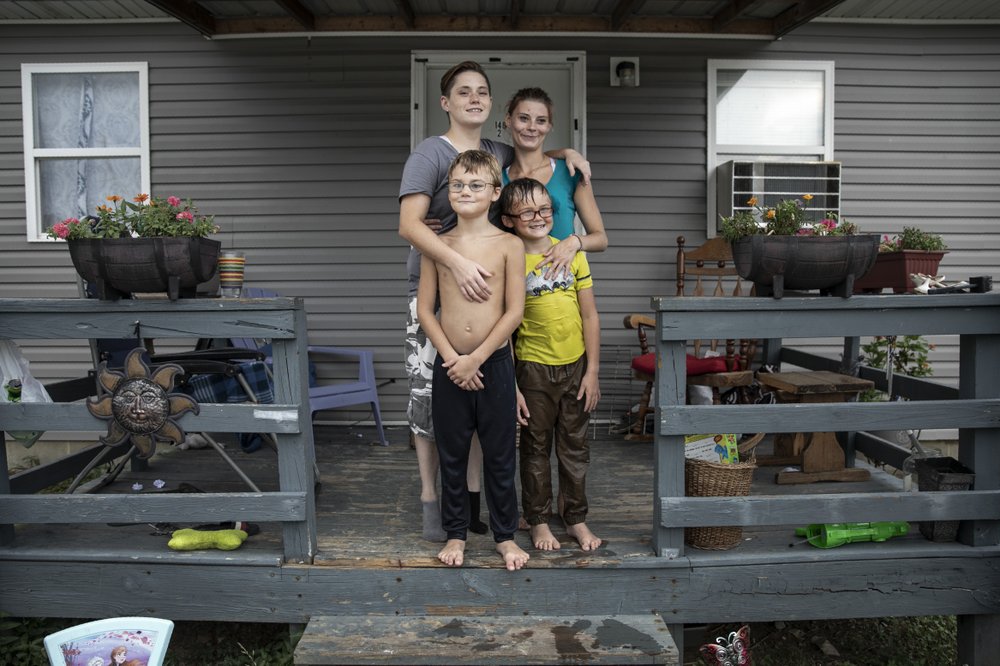
People wait to ride a revolving swing at the Perry State Fair in New Lexington, Ohio. In the towns that speckle the Appalachian foothills, the COVID-19 pandemic was barely felt. Coronavirus deaths and racial justice protests—events that defined 2020 nationwide—were mostly just images on TV from a distant America.
PROJECT BY TIM SULLIVAN, MAYE-E WONG, AND NOREEN NASIR
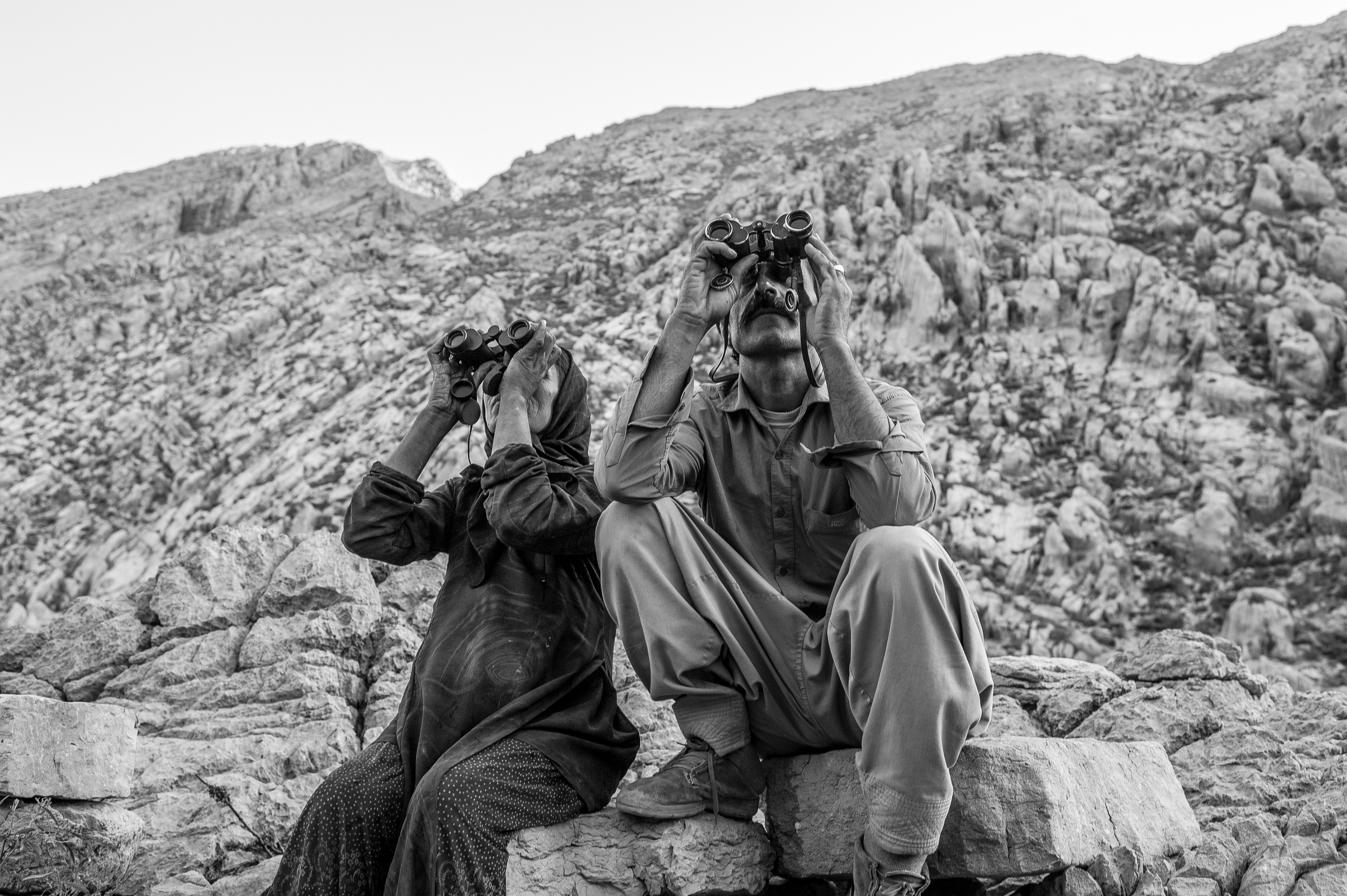
IMAGE BY Enayat Asadi
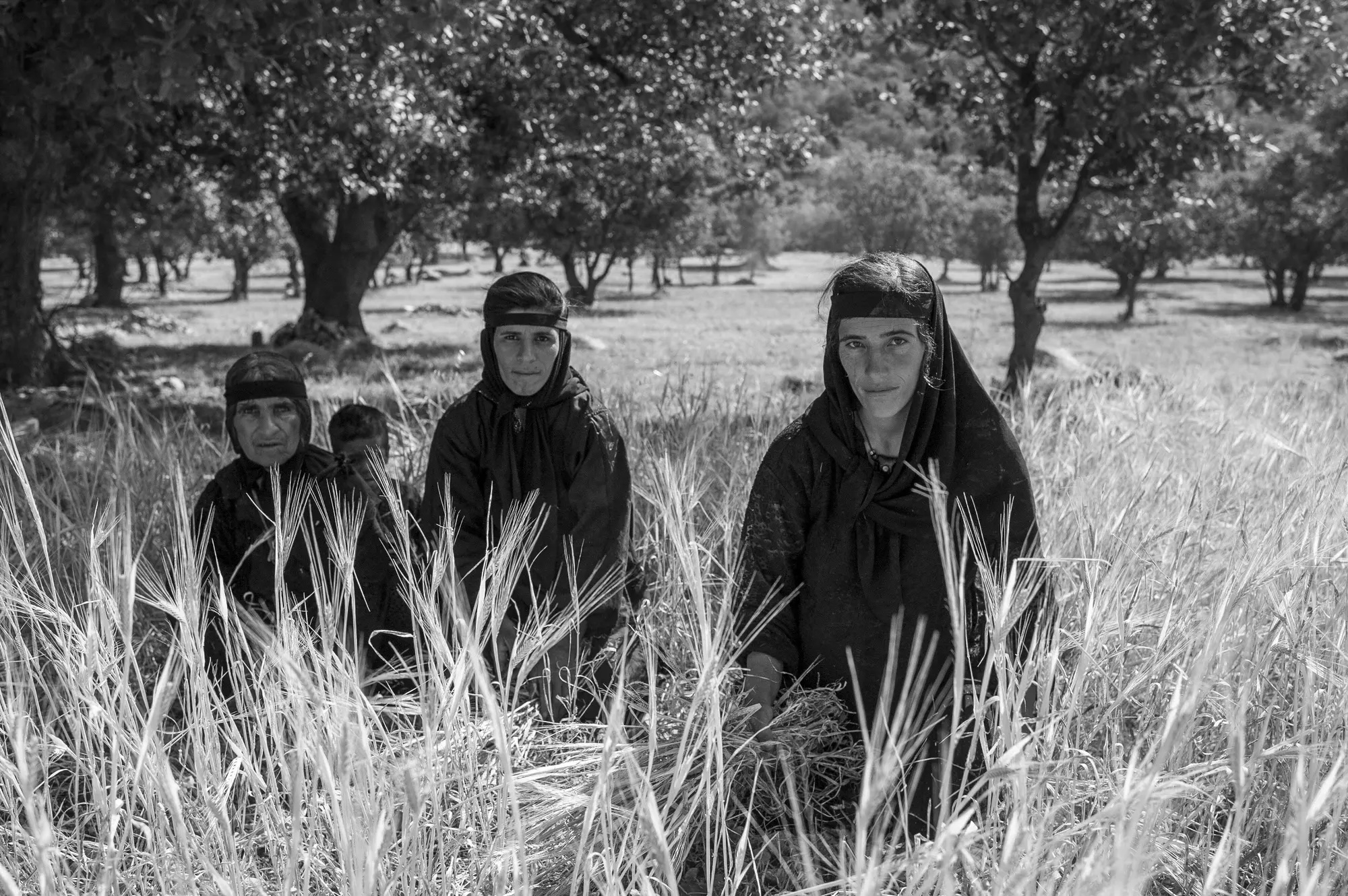
Rostam, 40, and Farzaneh, 37, pregnant with the couple’s sixth child, use binoculars to watch their 95 goats—and for wild animals that could threaten them. Some tribes of Bakhtiari people, in the Zagros Mountains of Iran, continue to raise animals, grow barley, and migrate between pastures with the seasons, just as they have for generations.
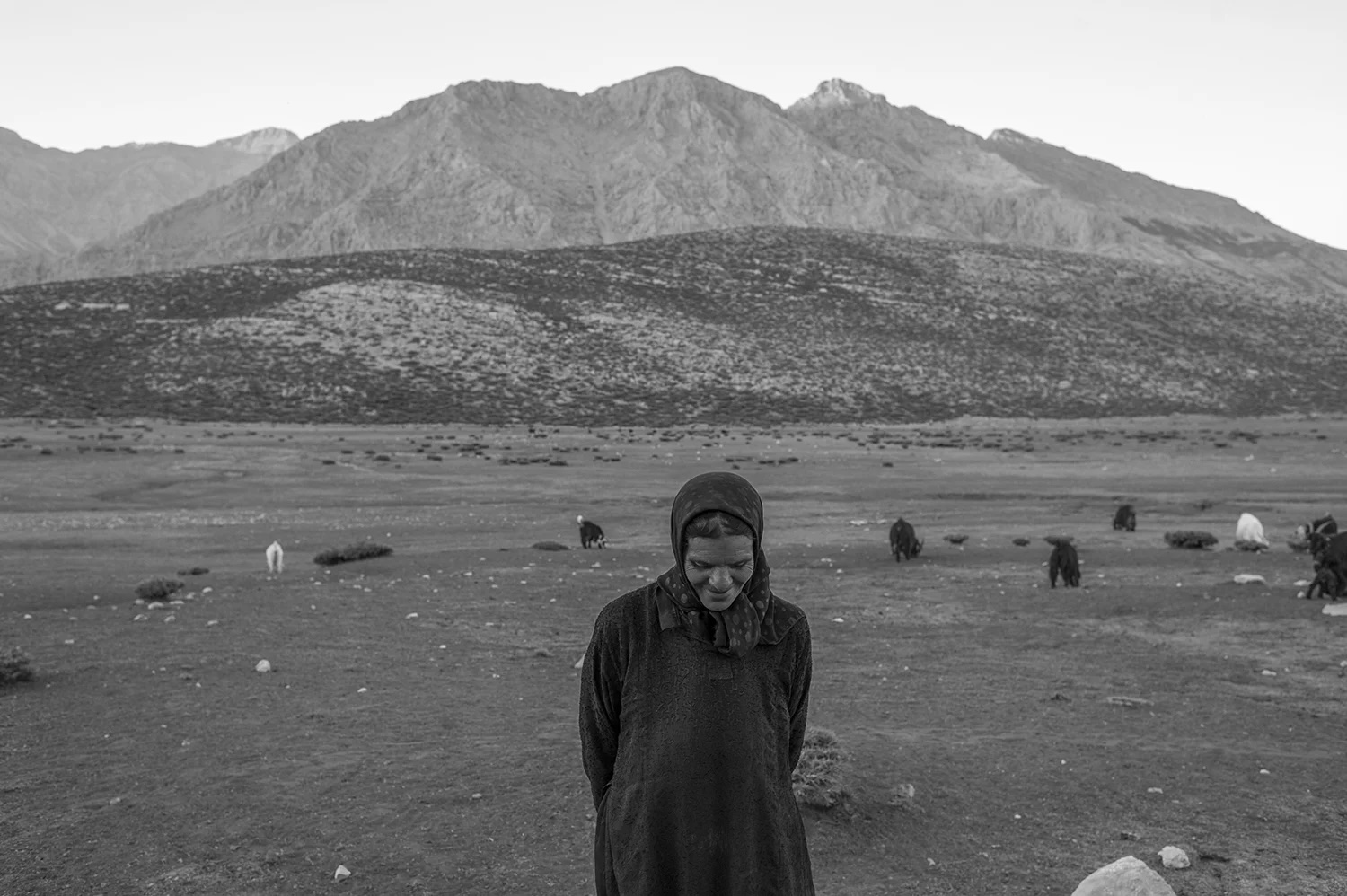

IMAGE BY Irina Werning
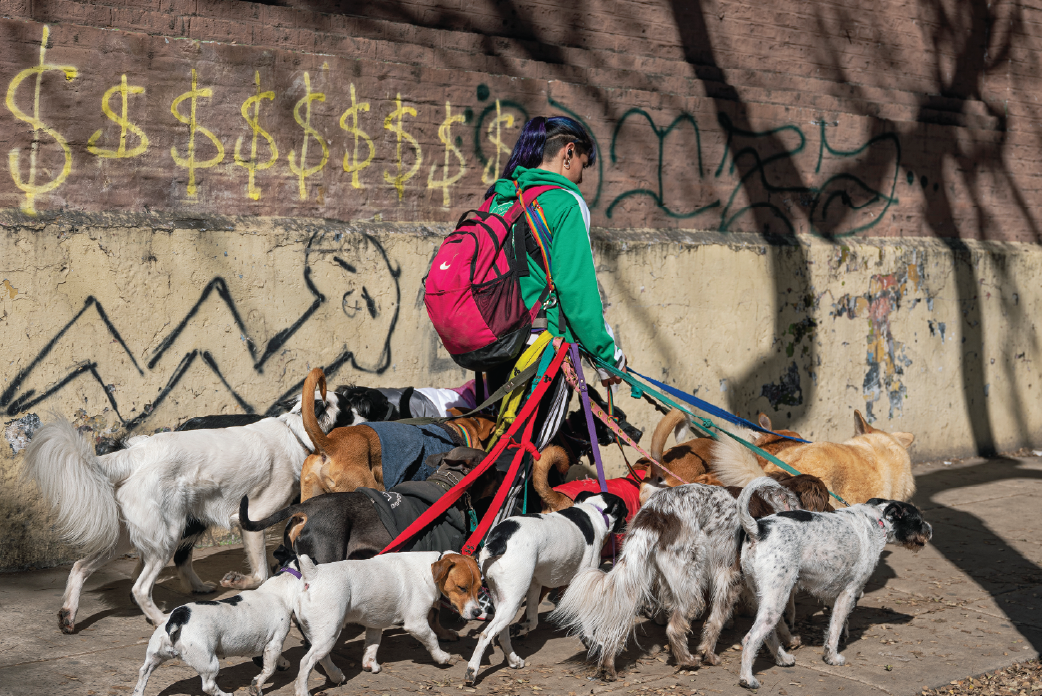
Two of photographer Irina Werning's friends pose with a shopping receipt. In Argentina, inflation rates reached triple digits by 2023—among the highest in the world. The government spent more money than it had and printed more pesos to pay for it. Argentines did not trust the peso, so they bought dollars, which raised prices quickly and made inflation grow even more.
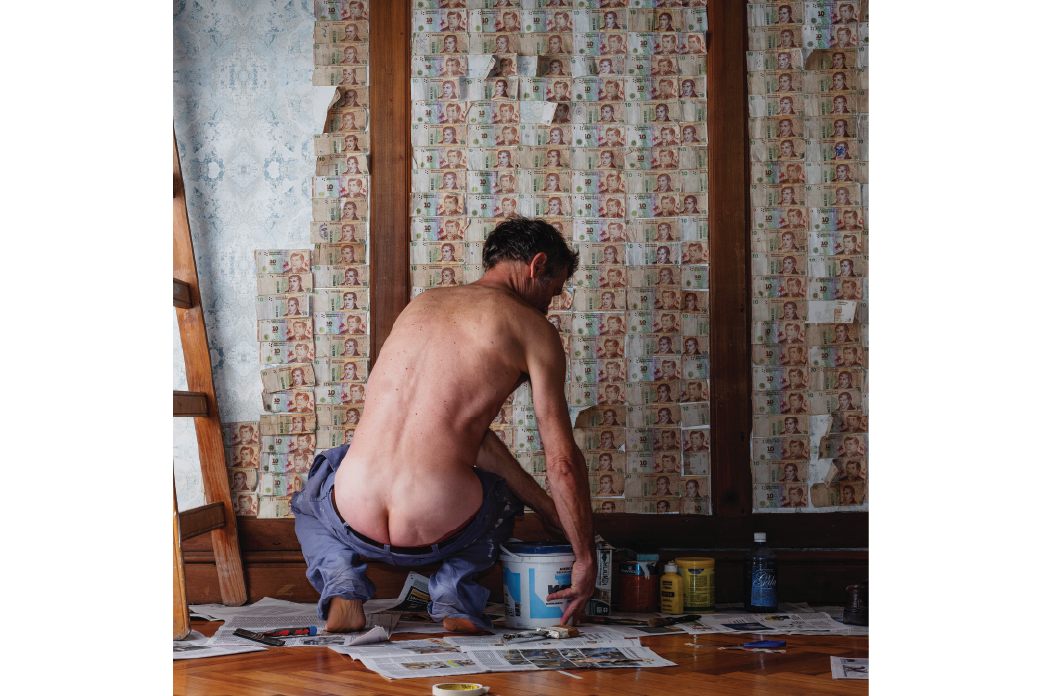
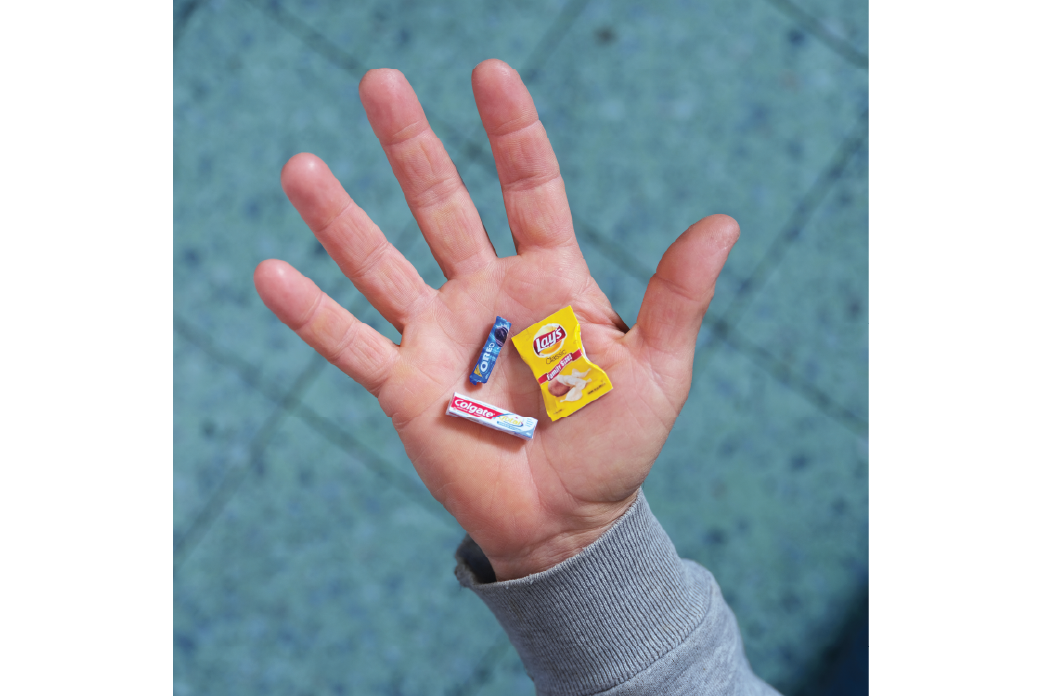

IMAGE BY Ángela Ponce
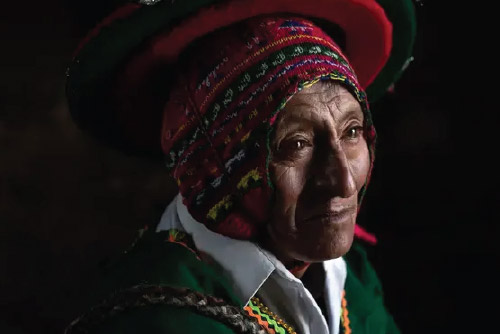
When Yolanda Quispe was born in 1982, the Quelccaya glacier, high in the mountains of Peru, was the largest tropical glacier in the world. Today, Quelccaya has almost halved in size, and local people are struggling to maintain their livelihoods. “It makes me very sad. Quelccaya is like a father, a mother to me. To protect it is an honour,” she says.

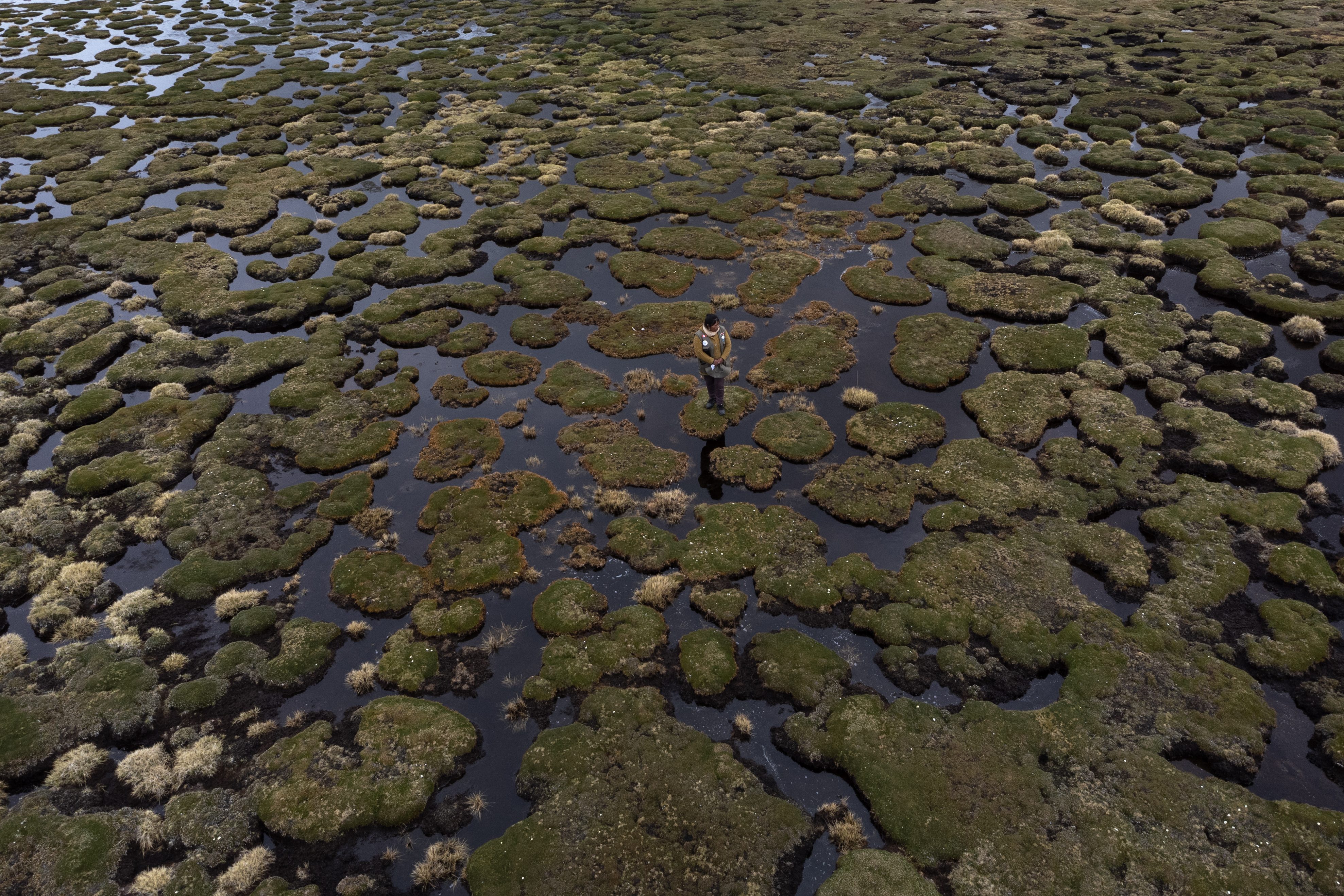
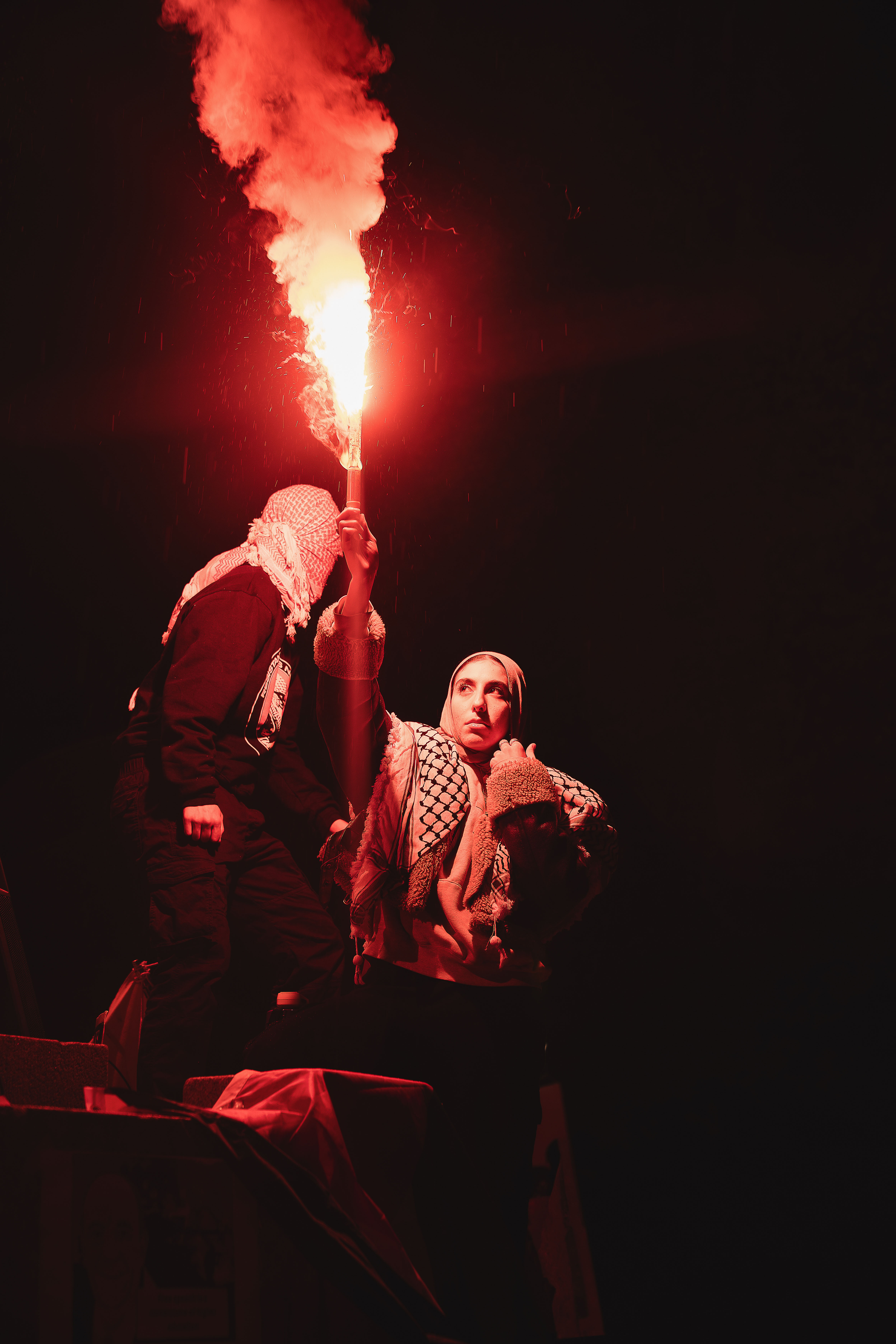
IMAGE BY Marcos Quinones
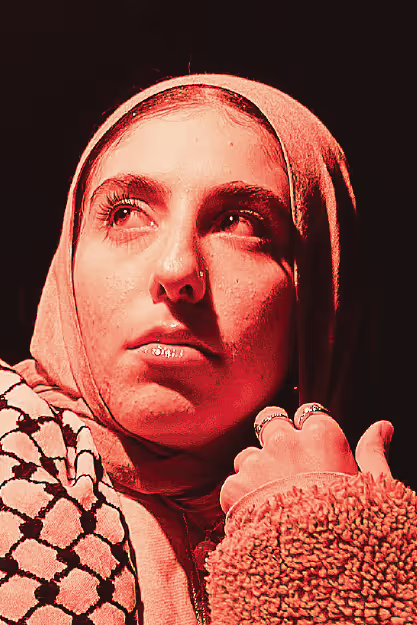
A young woman raises a flare to the sky in the CUNY-Gaza Solidarity Encampment in Harlem, New York. During brisk spring evenings in 2024 it wasn’t uncommon to hear the snap and sizzle of students’ roadside flares, which would illuminate everything in their proximity with a red hue. In New York City and across the U.S., protests against the Israel-Gaza war erupted at college and university campuses, spilling onto the streets.

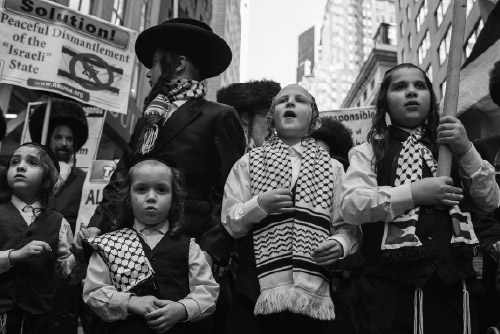
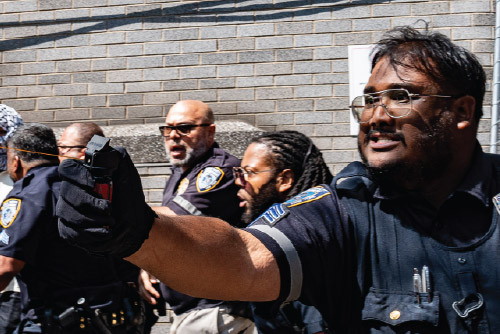
PROJECT BY Marcos Quinones
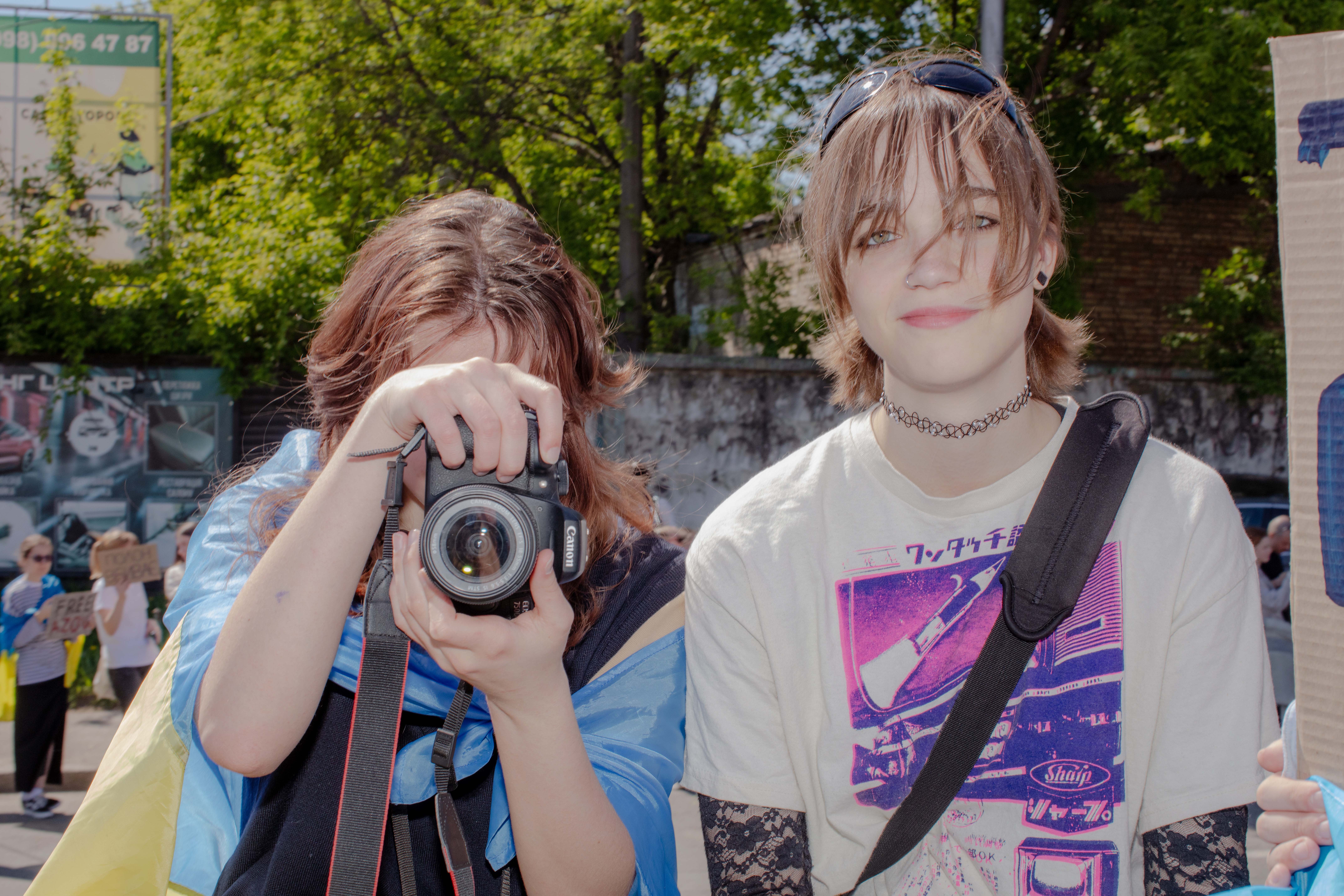

IMAGE BY Natalie Keyssar
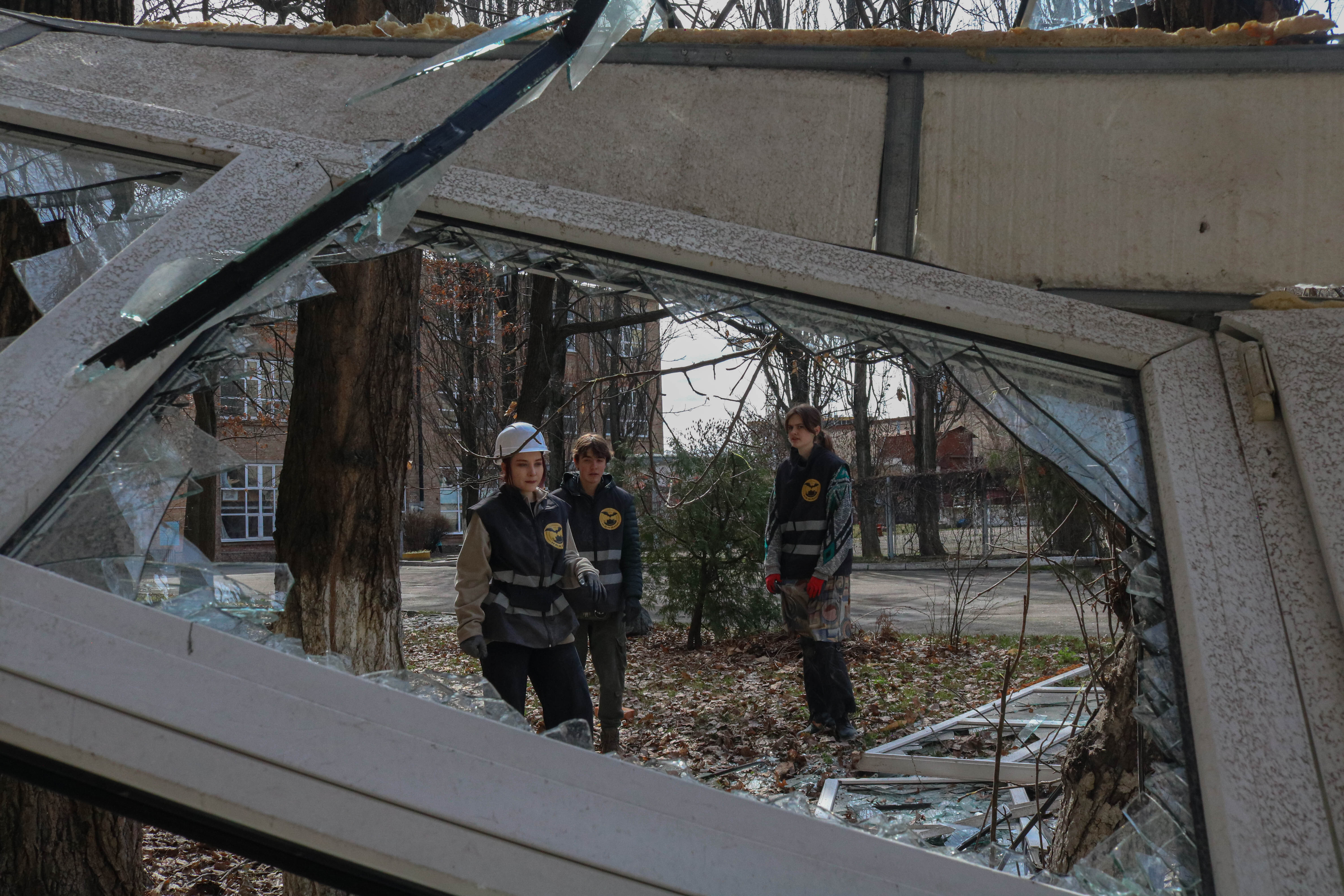
IMAGE BY Anna Donets
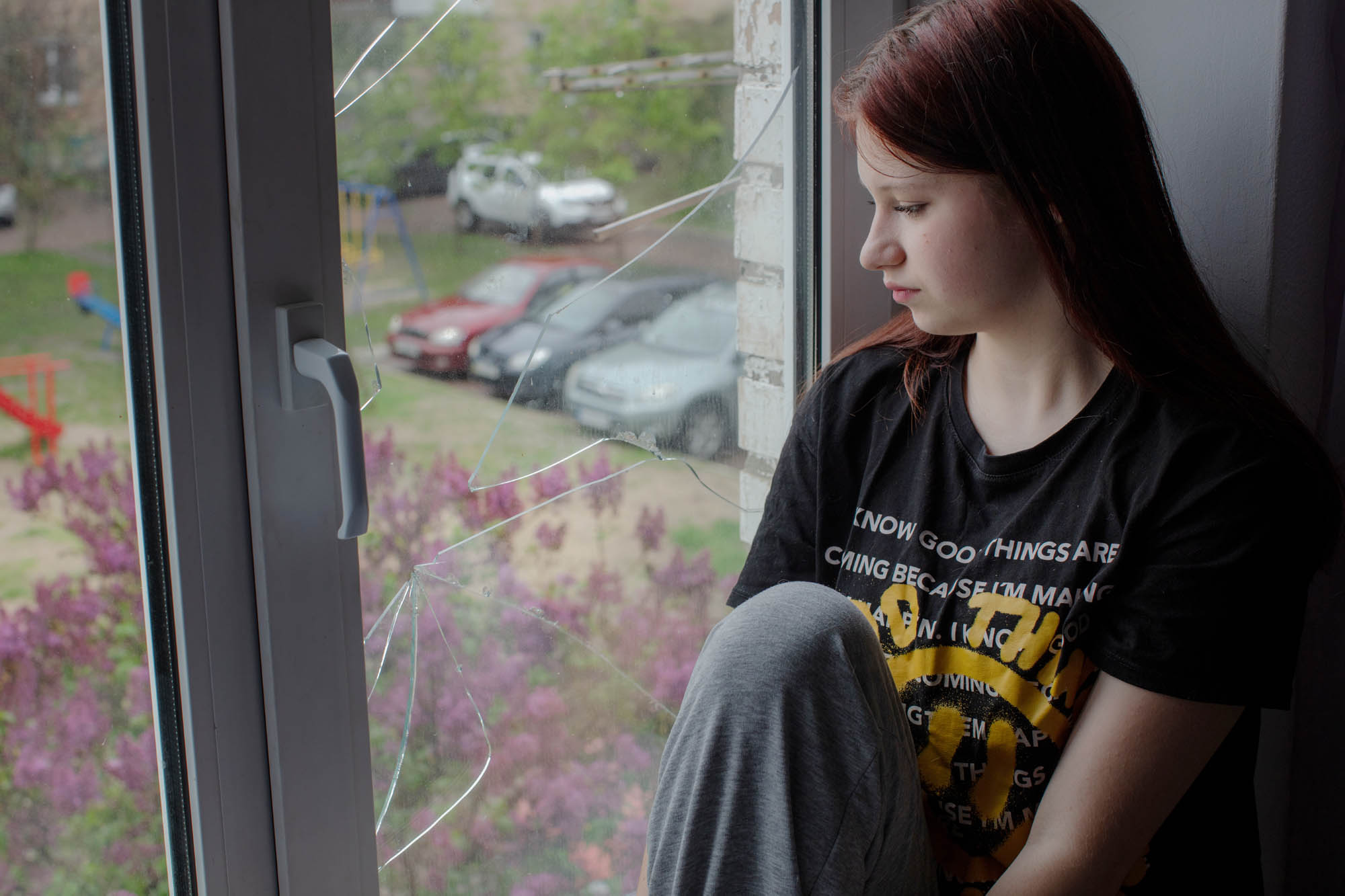
Top: Anna (left) graduated from high school in Kyiv, Ukraine, with dreams of becoming a photojournalist. She has started interning and working with Ukrainian news outlets. Here, she and Maya, 16, attend a protest to bring home prisoners of war. Bottom: A farewell ceremony honored combat medic Iryna Tsybukh. Since the U.S. election, Anna says, she is “truly scared for the existence of Ukraine.”
.jpg)
How could we already pick a photo for 2026 with so many months left? We will announce our photo choice at the end of the year. Check back soon, or subscribe to our newsletter to be alerted when chosen!
SUBSCRIBE TO OUR NEWSLETTER





.jpg)